Many women associate pregnancy with a missed period, but the body often starts showing signs of pregnancy even before menstruation is due. Recognizing these early pregnancy symptoms before a missed period can help women seek timely medical guidance and begin proper prenatal care.
Every pregnancy is unique, and symptoms can vary from woman to woman. Some may experience several early signs, while others may notice only subtle changes. Understanding these symptoms can help you identify a possible pregnancy earlier and make informed healthcare decisions.
Can Pregnancy Symptoms Start Before a Missed Period?
Yes. After conception, the body begins producing pregnancy hormones such as Human Chorionic Gonadotropin (hCG), estrogen, and progesterone. These hormonal changes can trigger various symptoms even before a missed menstrual cycle.
While these symptoms are not a guaranteed confirmation of pregnancy, they may indicate that conception has occurred.
Common Early Pregnancy Symptoms Before a Missed Period
1. Implantation Bleeding
One of the earliest signs of pregnancy is implantation bleeding, which occurs when the fertilized egg attaches itself to the lining of the uterus.
What It Looks Like:
- Light pink or brown spotting
- Much lighter than a regular period
- Usually lasts for a few hours to a couple of days
Many women mistake implantation bleeding for the start of their period.
2. Mild Abdominal Cramping
Some women experience light cramping during implantation.
Characteristics:
- Mild discomfort
- Less intense than menstrual cramps
- Usually felt in the lower abdomen
This occurs as the embryo implants into the uterine lining.
3. Breast Tenderness and Swelling
Hormonal changes begin very early in pregnancy and often affect breast tissue.
Symptoms Include:
- Tender or sore breasts
- Increased sensitivity
- Swollen or heavier feeling breasts
- Darkening of the areolas
This is often one of the first noticeable pregnancy symptoms.
4. Fatigue and Unusual Tiredness
Feeling unusually exhausted without any obvious reason can be an early sign of pregnancy.
Why It Happens:
The body produces higher levels of progesterone, which can cause:
- Increased sleepiness
- Low energy levels
- Frequent need for rest
Many women notice this symptom even before missing a period.
5. Frequent Urination
Increased blood flow and hormonal changes can affect kidney function early in pregnancy.
You May Notice:
- More frequent trips to the bathroom
- Increased urge to urinate
- Urination even when fluid intake remains unchanged
6. Nausea or Morning Sickness
Although commonly associated with later pregnancy, some women experience nausea before a missed period.
Common Symptoms:
- Feeling queasy
- Sensitivity to smells
- Mild nausea throughout the day
- Food aversions
Morning sickness can occur at any time, not just in the morning.
7. Food Cravings and Food Aversions
Hormonal fluctuations can alter taste and smell preferences.
Examples:
- Sudden dislike for favorite foods
- Cravings for unusual foods
- Metallic taste in the mouth
- Increased sensitivity to odors
8. Mood Swings
Pregnancy hormones can affect emotions very early.
You May Experience:
- Irritability
- Emotional sensitivity
- Anxiety
- Sudden mood changes
These changes are similar to PMS symptoms but may be more noticeable
9. Bloating
Rising progesterone levels slow digestion, leading to:
- Abdominal bloating
- Gas
- Feeling unusually full
Many women mistake this symptom for premenstrual bloating.
10. Increased Basal Body Temperature
Women who track their basal body temperature may notice it remains elevated after ovulation instead of dropping before their period.
Persistent high temperatures can be an early indication of pregnancy.
Symptoms Often Confused with PMS
Many early pregnancy symptoms closely resemble premenstrual syndrome (PMS), including:
- Breast tenderness
- Mood swings
- Fatigue
- Bloating
- Mild cramping
The key difference is that pregnancy symptoms often continue and gradually become more noticeable, while PMS symptoms typically disappear when menstruation begins.
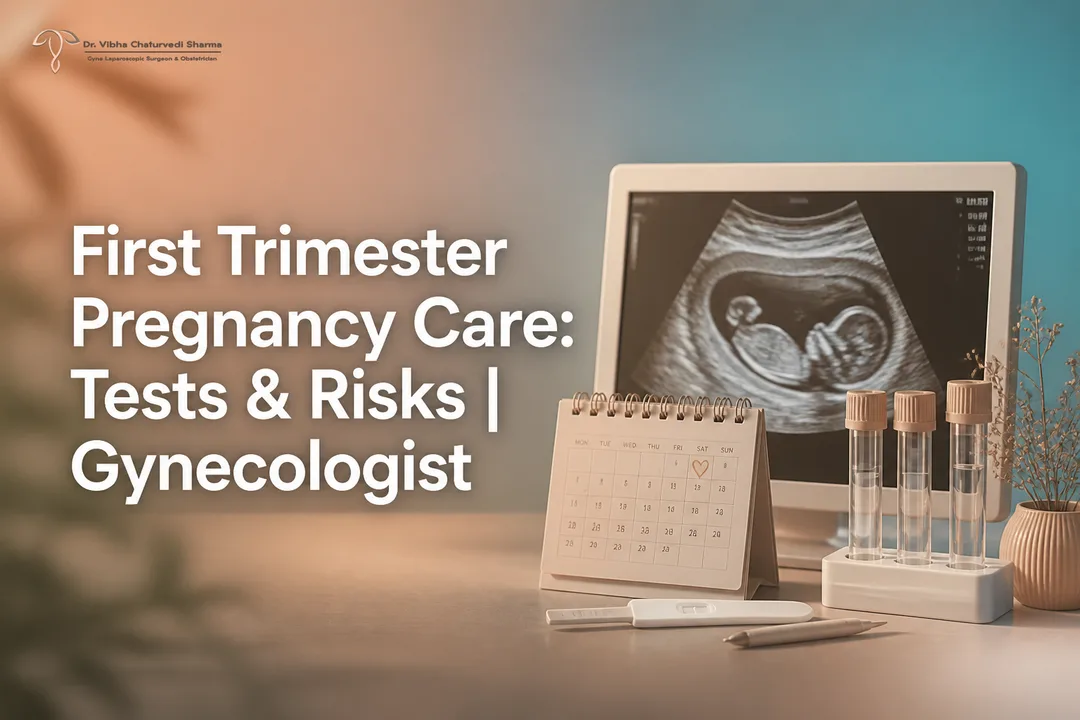
When Should You Take a Pregnancy Test?
For the most accurate results:
- Wait until the first day of your missed period.
- Use a home pregnancy test with first-morning urine.
- If the result is negative but symptoms persist, repeat the test after a few days.
- Consult a gynecologist for confirmation through blood tests or ultrasound.
When to Consult a Gynecologist
You should seek medical advice if:
- You suspect pregnancy
- Your pregnancy test is positive
- You experience unusual bleeding
- You have severe abdominal pain
- You have a history of high-risk pregnancies
Early prenatal care helps ensure a healthier pregnancy for both mother and baby.
Why Early Pregnancy Care Matters
Early diagnosis allows doctors to:
- Monitor maternal health
- Recommend prenatal vitamins
- Identify potential risks
- Provide nutritional guidance
- Ensure healthy fetal development
Regular antenatal care significantly improves pregnancy outcomes.
Conclusion
Recognizing early pregnancy symptoms before a missed period can help women identify pregnancy sooner and begin proper medical care. Symptoms such as implantation bleeding, breast tenderness, fatigue, nausea, and mood changes are common early indicators. While these signs alone do not confirm pregnancy, they can serve as important clues.
If you suspect you may be pregnant, consulting an experienced gynecologist is the best way to receive accurate diagnosis, guidance, and support for a healthy pregnancy journey.
Contact Information
For expert pregnancy consultation and women’s healthcare, contact:
📞 Phone: 78499 09109
📍 SURYA HOSPITALS
C-8, B-7, Sawai Ram Singh Road,
Opposite SMS Hospital, Jaipur
📍 UDBHAV
A-35, Prince Road, Ajmer Road,
Vidhyut Nagar, Jaipur, Rajasthan – 302019
Book your appointment today for expert pregnancy care and personalized women’s health guidance.