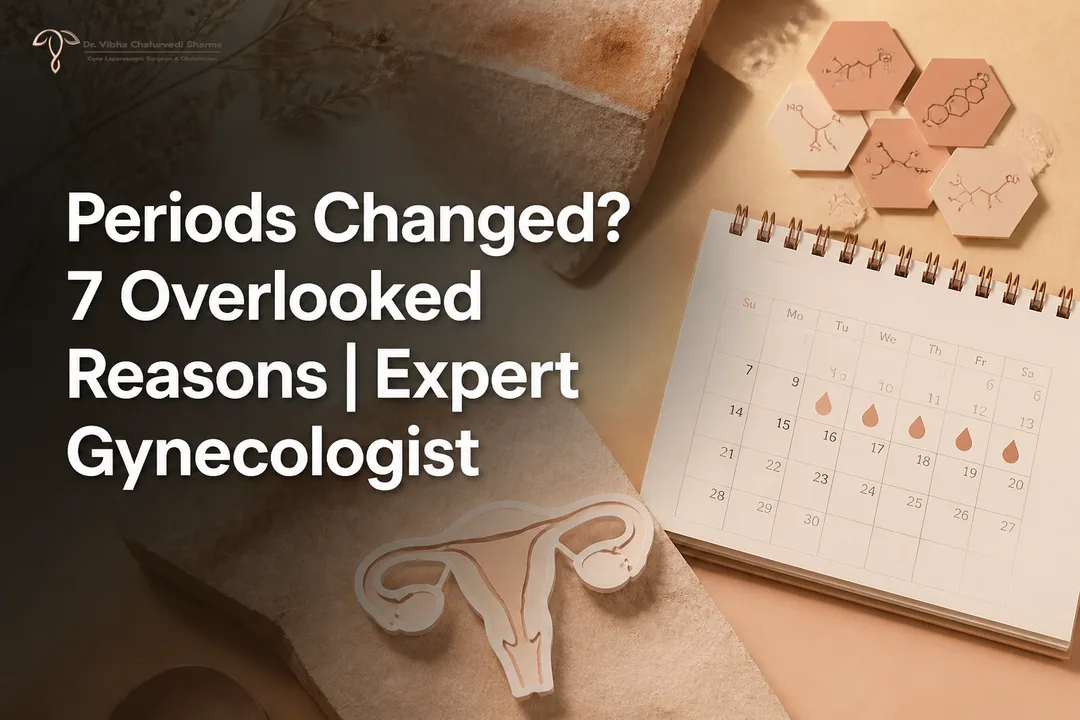
If you are searching for a Gynecologist in Jaipur: Irregular Periods Causes, Treatment, you are not alone. Many women visit a Gynecologist in Jaipur when cycles become unpredictable, heavier, lighter, or painful. In this guide, you will learn common causes, what tests help, and which treatments actually match the underlying problem. You will also know when irregular bleeding is urgent and when lifestyle support can help.
Why Irregular Periods Happen And What They Can Mean
First, it helps to define “irregular.” A cycle can vary a little from month to month. However, frequent changes in timing, flow, or pain deserve attention. Importantly, irregular periods are a symptom, not a diagnosis.
In clinical practice, we often see women worry that one late period means infertility or a serious disease. In reality, the cause can be simple, like stress or travel. Still, repeated irregularity may point to hormonal imbalance, ovulation issues, or a uterine condition. Therefore, it is best to look for patterns over three cycles.
Additionally, age and life stage matter. Teen cycles can be irregular for a couple of years after the first period. Likewise, perimenopause often brings spacing, missed cycles, or heavier bleeding. Even so, you should not self-diagnose, because the same symptom can have different causes.
Common Patterns We See In Clinic
Notably, “irregular periods” can look different from person to person. Some women miss periods for months. Others bleed every two weeks. Because of that, your history gives strong clues.
- Infrequent periods (cycles longer than 35 days) often link to anovulation, PCOS, thyroid issues, or high prolactin.
- Frequent periods (cycles shorter than 21 days) can relate to hormonal shifts, perimenopause, or uterine causes.
- Heavy bleeding can suggest fibroids, adenomyosis, bleeding disorders, or hormonal imbalance.
- Spotting between periods may occur with ovulation, infection, polyps, or hormonal contraception.
- Very painful periods can point to endometriosis or adenomyosis, especially when pain worsens over time.
Normal Variation Vs. A Warning Sign
For example, a one-off delayed period after a stressful month can be normal. In contrast, bleeding after sex, bleeding after menopause, or soaking pads every hour is not typical. Consequently, those symptoms should trigger an earlier visit.
Gynecologist In Jaipur: Key Medical Causes To Rule Out
Second, a clinician will look for the most likely medical causes based on your age, symptoms, and pregnancy plans. Although many causes are benign, some need timely care. Therefore, a structured evaluation matters.
Importantly, always rule out pregnancy first if you are sexually active and have a missed or unusual bleed. This includes ectopic pregnancy, which can be dangerous. A simple urine or blood test often clarifies the next step.
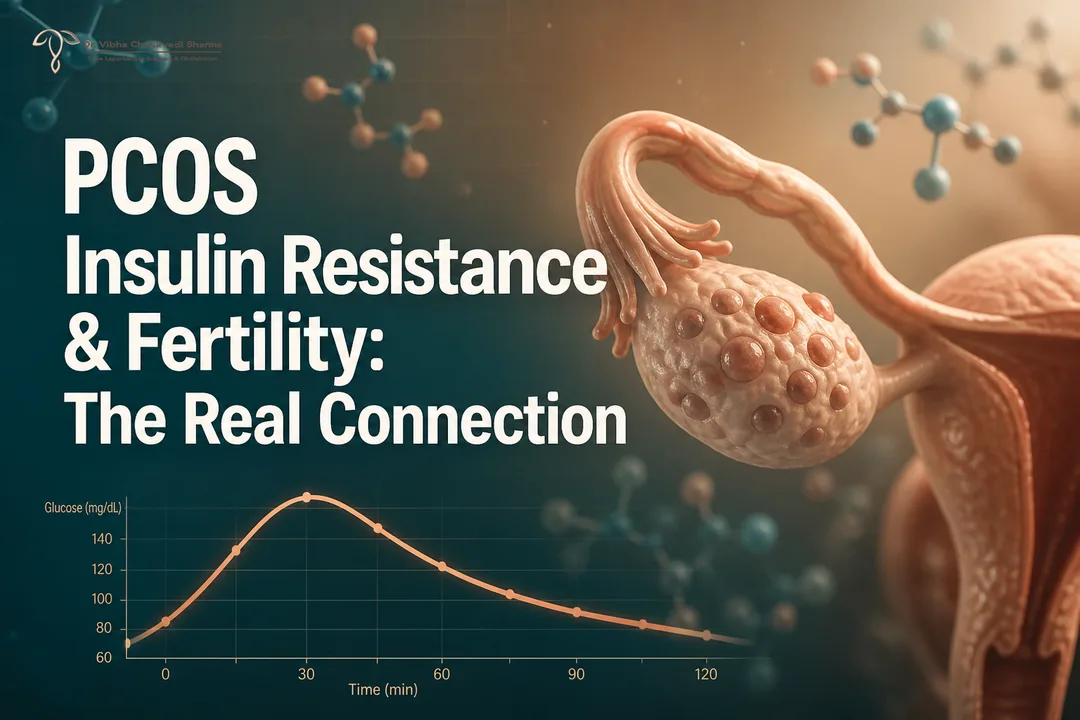
Next, hormonal causes remain common. In particular, thyroid disorders, elevated prolactin, and PCOS or PCOD can disrupt ovulation. When ovulation does not happen regularly, the uterine lining can build up, leading to irregular spotting or heavy episodes.
Uterine and ovarian conditions also contribute. Fibroids, endometrial polyps, and adenomyosis can change flow and pain. Ovarian cysts can affect hormones, and sometimes they follow irregular ovulation patterns. Endometriosis may cause severe cramps, pain during intercourse, and fertility concerns.
Finally, medicines and systemic factors play a role. Some contraception methods, blood thinners, significant weight changes, intense exercise, and chronic illness can shift cycles. Because of this, bring a list of medicines and supplements to your appointment.
PCOS, PCOD, And Fertility Concerns
PCOS often shows up as delayed periods, acne, hair growth, and weight gain. However, lean women can also have PCOS. Moreover, some women have regular cycles but still ovulate inconsistently. As a result, the evaluation should focus on both symptoms and labs.
When ovulation becomes irregular, conception can take longer. The good news is that many women conceive with tailored fertility care. Depending on your situation, a fertility specialist may suggest lifestyle changes, ovulation induction medicines, or advanced options like IUI or IVF guidance. Still, the best plan depends on your ultrasound findings, hormone profile, and partner factors.
How A Gynecologist Evaluates Irregular Periods
Third, you can expect a step-by-step assessment rather than a one-size-fits-all prescription. In our day-to-day work with women across Jaipur, a pattern we repeatedly see is that patients feel relieved once they track their cycle and bring clear details. Because of that, we often start with a short cycle timeline and symptom review.
First, the gynecologist will ask about cycle length, flow, pain, clots, spotting, and any pregnancy symptoms. Next, they will review medical history, contraception use, stress, sleep, and weight changes. Then, a focused exam may check for thyroid signs, anemia, pelvic tenderness, or discharge.
After that, tests help confirm the cause. For many women, a urine pregnancy test, CBC for anemia, thyroid function tests, and pelvic ultrasound provide strong direction. Additionally, hormonal labs may include prolactin and androgens. If bleeding is heavy or persistent, an endometrial assessment may be needed.
When the ultrasound suggests a polyp or a cavity issue, doctors often consider hysteroscopy. Hysteroscopy lets the surgeon see inside the uterus directly and treat certain problems at the same time. In selected cases, minimally invasive laparoscopic surgery helps manage endometriosis, fibroids, or ovarian cysts.
Notably, many guidelines support structured evaluation of abnormal uterine bleeding. The American College of Obstetricians and Gynecologists guidance on abnormal uterine bleeding outlines how doctors consider ovulatory, structural, and systemic causes. Similarly, the NHS overview of heavy periods explains when to seek medical help and what treatments are commonly used.
Treatment Options: From Lifestyle To Laparoscopy
Fourth, treatment works best when it targets the cause. Therefore, your plan may include lifestyle steps, medicines, or procedures. Results vary depending on age, diagnosis, anemia level, and whether you want pregnancy now. Because of that, your doctor should explain trade-offs clearly.
For hormonal imbalance, doctors may use cyclic progesterone, combined hormonal pills, or other hormone regulation options. These can protect the uterine lining and make bleeding predictable. If you have PCOS, clinicians often combine nutrition, activity, and insulin-sensitizing approaches when appropriate. For thyroid or prolactin problems, treating the root hormone issue often improves cycles.
For heavy bleeding with anemia, doctors may recommend iron therapy along with bleeding control. Additionally, tranexamic acid or anti-inflammatory medicines can reduce flow for some women. However, you should use these only under medical advice, especially if you have clotting risks.
When structural causes appear, procedure-based care may help. For example, a polyp can often be removed during hysteroscopy. Likewise, selected fibroids may need myomectomy, which can be done via laparoscopy in many cases. Endometriosis management may involve medicines, laparoscopic excision, and a fertility-focused plan.
Importantly, the World Health Organization information on anemia explains why iron deficiency can affect energy, work capacity, and wellbeing. Consequently, if you feel breathless, dizzy, or unusually tired during periods, you should check hemoglobin and iron status.
When Irregular Periods Affect Pregnancy Planning
If you are trying to conceive, timing and ovulation matter. Therefore, your gynecologist may recommend ovulation tracking, thyroid optimization, and an ultrasound follicle study. In addition, they may suggest partner semen analysis early, because infertility is often shared.
Based on findings, treatment can range from lifestyle counseling to ovulation induction tablets or injections. If tubes, male factor, or age-related decline complicate the picture, your doctor may discuss IUI or IVF guidance. Still, the safest plan balances success chances with your health and comfort.
When To See A Doctor In Jaipur And What To Do Before Your Visit
Finally, some symptoms should not wait. If you soak one pad in an hour for several hours, feel faint, or have severe one-sided pelvic pain, seek urgent care. Likewise, bleeding after menopause needs evaluation. Additionally, a missed period with sharp pain or shoulder-tip pain needs immediate assessment for ectopic pregnancy.
Before your appointment, take a few simple steps. First, note the first day of your last three periods. Next, record how many pads you use on heavy days and whether you pass clots. Also, list medicines, supplements, and any recent stressors. As a result, your gynecologist can reach a clearer diagnosis faster.
If you want local, evidence-based care, you can learn more about services such as menstrual disorder evaluation, PCOS management, infertility treatment, pregnancy care, and minimally invasive procedures at Dr. Vibha Chaturvedi Sharma’s women’s health clinic. You can also explore patient-focused options and appointment guidance on gynecology and obstetrics care in Jaipur.
In short, irregular bleeding has many possible causes, and you deserve a plan that fits your body and goals. A Gynecologist in Jaipur can help you move from confusion to clarity with the right history, tests, and treatment choices. As a practicing women’s health team, we focus on compassionate, evidence-based care and clear explanations, so you can decide with confidence. If you are unsure where to start, book a consultation and bring your cycle notes for a focused discussion.
Contact And Clinic Locations
📞 Phone: 78499 09109
📍 SURYA HOSPITALS
C-8, B-7, Sawai Ram Singh Road,
Opposite SMS Hospital, Jaipur
📍 UDBHAV
A-35, Prince Road, Ajmer Road,
Vidhyut Nagar, Jaipur, Rajasthan – 302019
Book your consultation today for expert laparoscopic treatment and comprehensive women’s healthcare.