
Gynecologist, Obstetrician & Laparoscopic Surgeon in Jaipur
Gynecologist in JaipurDr. Vibha Chaturvedi Sharma
MBBS, MS (Obstetrics & Gynaecology) from SMS Medical College, with a Fellowship in Laparoscopic Surgery. Director at Surya Hospital, Jaipur — caring for women through pregnancy, fertility and gynaecological surgery for over 20 years.
- 20+Years of care
- 35,000+Procedures
- 3Clinics in Jaipur

Recognitions & Achievements
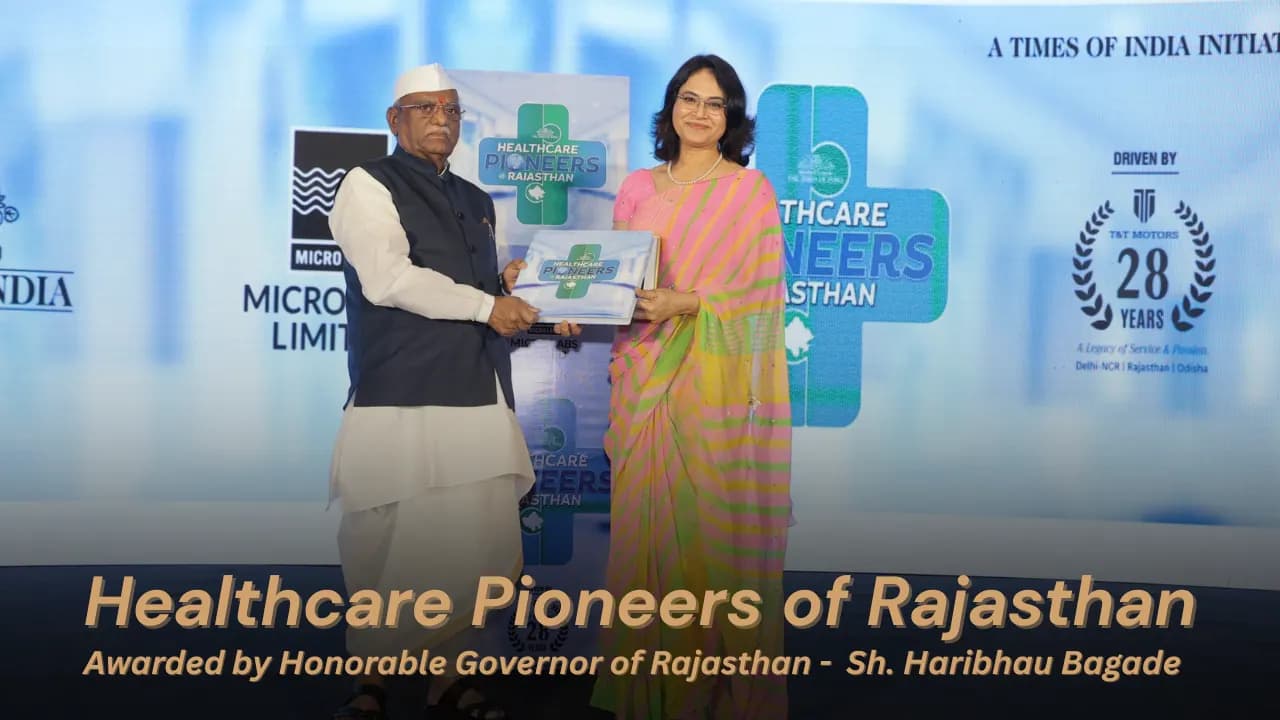
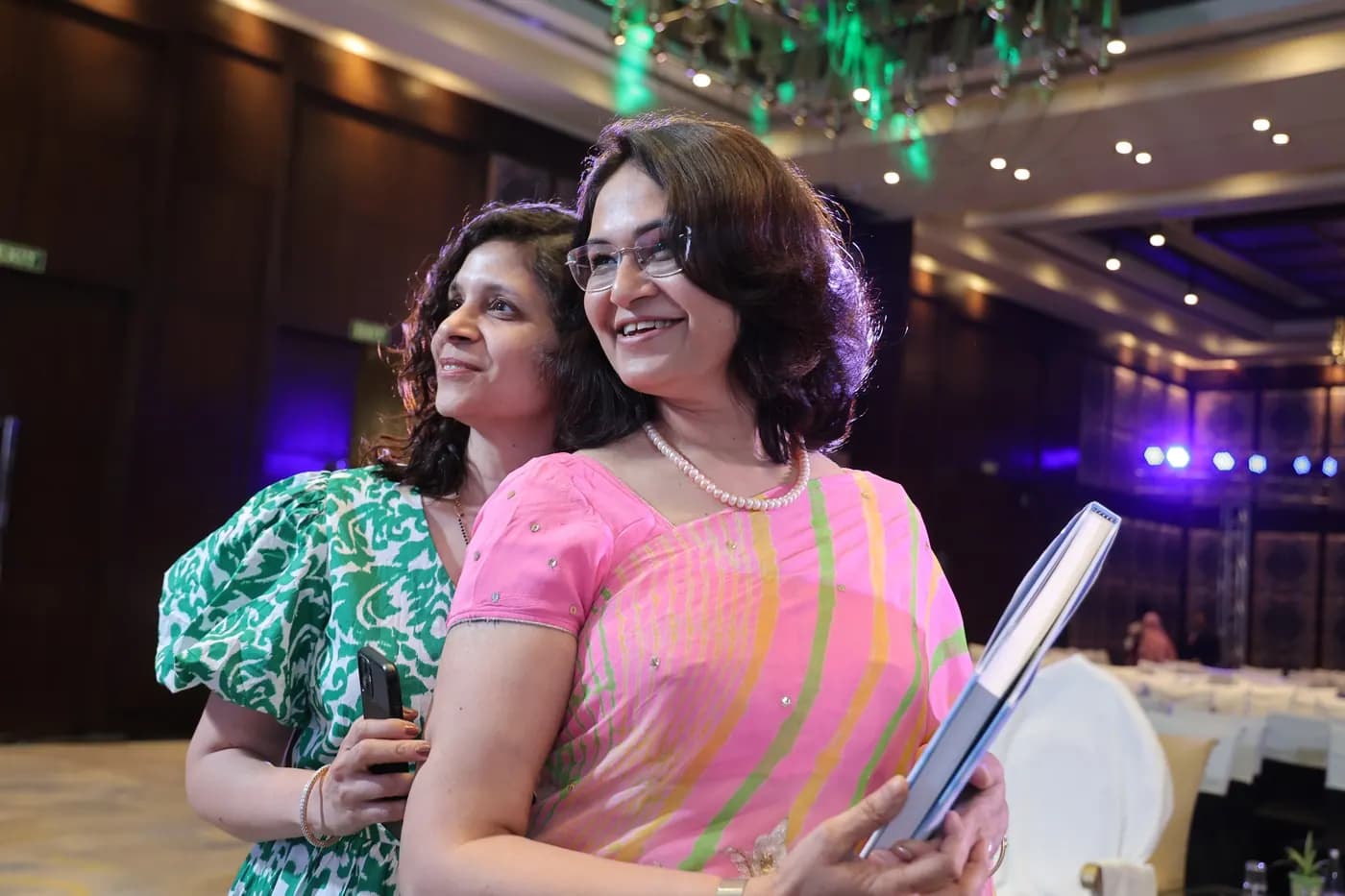

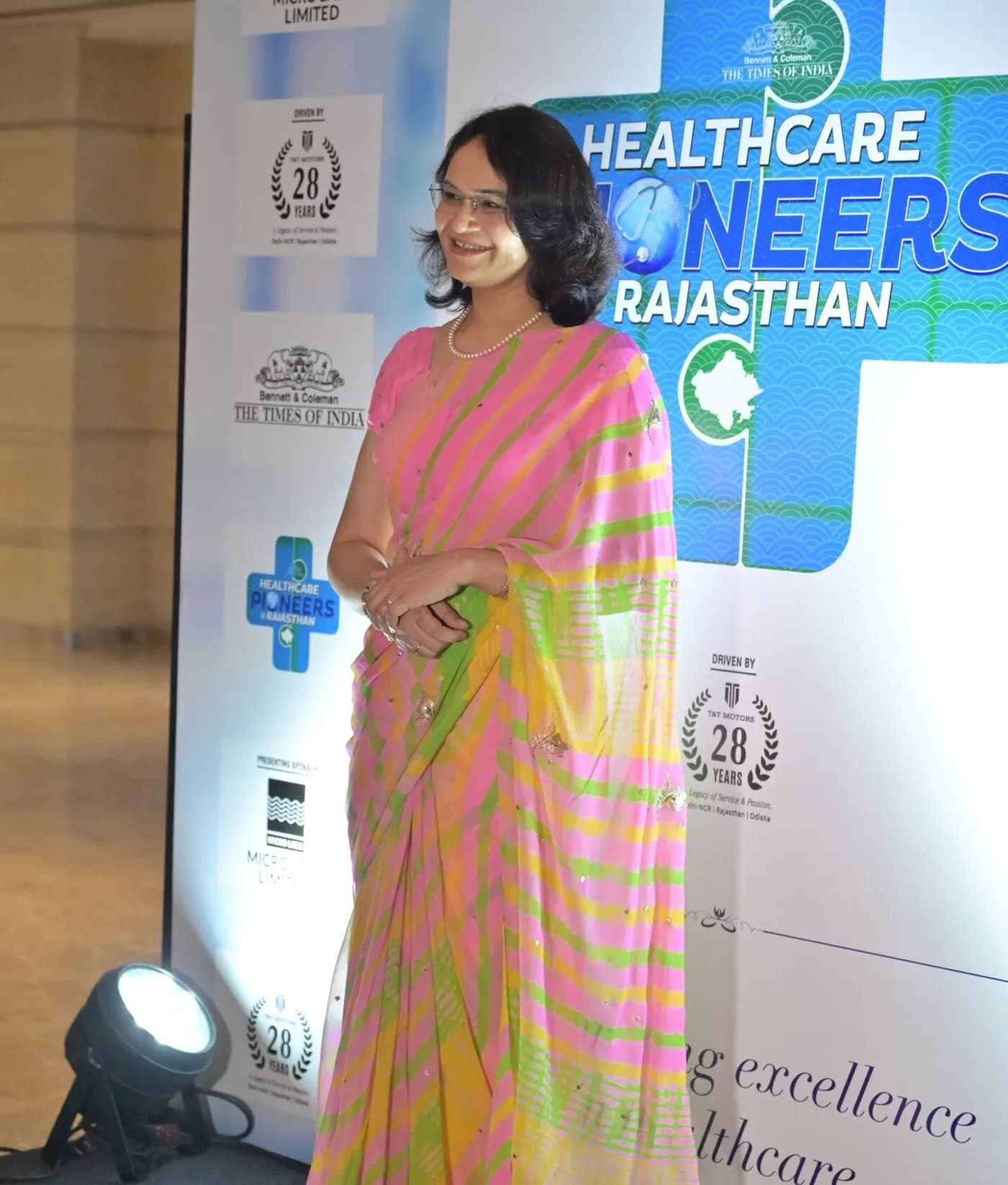
35,000+ Successful Gynecological Surgeries & Procedures in 20+ Years
- Laparoscopic & Hysteroscopy Surgeries
- 15000+Laparoscopic & Hysteroscopy Surgeries
- Normal Deliveries
- 14000+Normal Deliveries
- Fertility Enhancement Surgeries
- 4000+Fertility Enhancement Surgeries
- High-Risk Pregnancy Cases Managed
- 2000+High-Risk Pregnancy Cases Managed
Dr Vibha Chaturvedi Sharma is regarded as one of the most experienced gynecologist in Jaipur, with over two decades of dedicated service in women’s healthcare. Throughout her career, she has successfully performed more than 35,000 gynecological procedures including advanced laparoscopic surgeries, infertility treatments, management of high-risk pregnancies and safe normal deliveries. Her patient-focused approach and extensive experience have helped countless women and families across Jaipur and Rajasthan receive reliable and compassionate medical care.
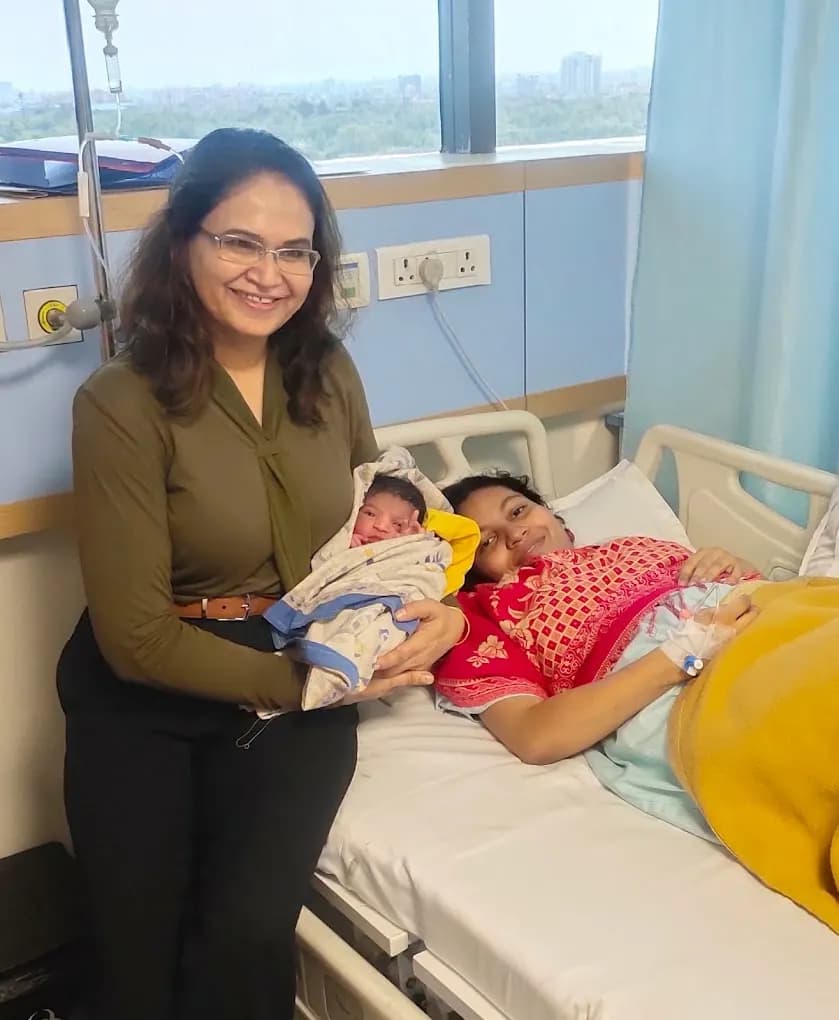
Trusted women’s care in Jaipur for over two decades
Dr Vibha Chaturvedi Sharma is one of the most experienced and trusted gynecologists in Jaipur with over 20 years of experience in women’s healthcare. She specializes in high risk pregnancy management, laparoscopic gynecological surgery, infertility treatment, PCOS management and normal delivery care. She currently serves as Director at Surya Hospitals Jaipur and has previously worked as a Senior Consultant at CK Birla Hospitals, RBH Jaipur and Cocoon Hospital. Dr Vibha completed her MBBS and MS in Obstetrics & Gynecology from SMS Medical College Jaipur and has undergone advanced training in infertility treatment and high risk pregnancy management. Patients from Jaipur, Ajmer, Alwar, Kota, Udaipur and across Rajasthan consult Dr Vibha for safe pregnancy care and advanced gynecological treatments.
- MBBS, MS (Obstetrics & Gynaecology), SMS Medical College
- Fellowship in Laparoscopic Surgery
- Director, Surya Hospital Jaipur
- 80+ awards & recognitions

With a huge experience in surgeries, Dr Vibha offers unmatched expertise in
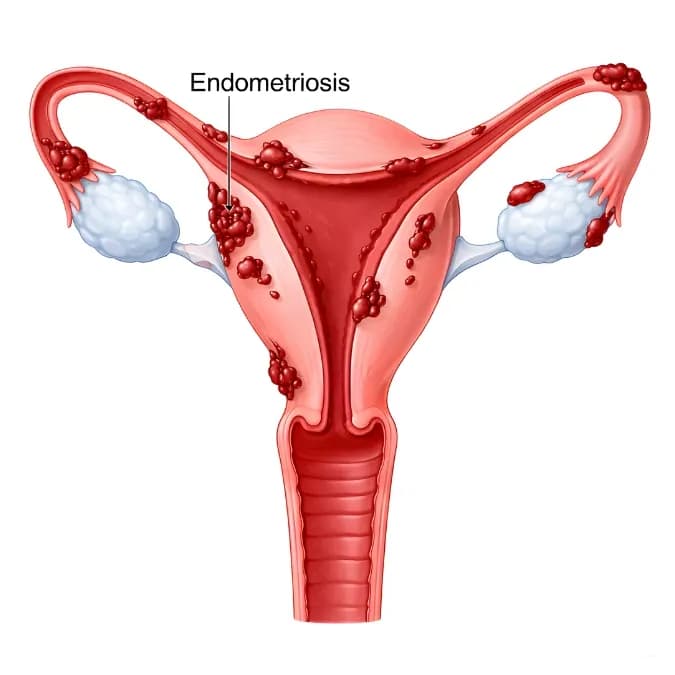
Endometriosis Treatment in Jaipur
Endometriosis occurs when tissue similar to the lining of the uterus (endometrium) grows outside the uterus. This condition commonly affects the pelvic organs and may cause symptoms such as severe pelvic pain, painful periods, discomfort during intercourse and difficulty in conceiving. Proper diagnosis and timely treatment are important for managing the condition effectively. An experienced gynecologist in Jaipur can help identify the underlying causes and recommend the right treatment approach, including medication, lifestyle management and advanced minimally invasive procedures when required.
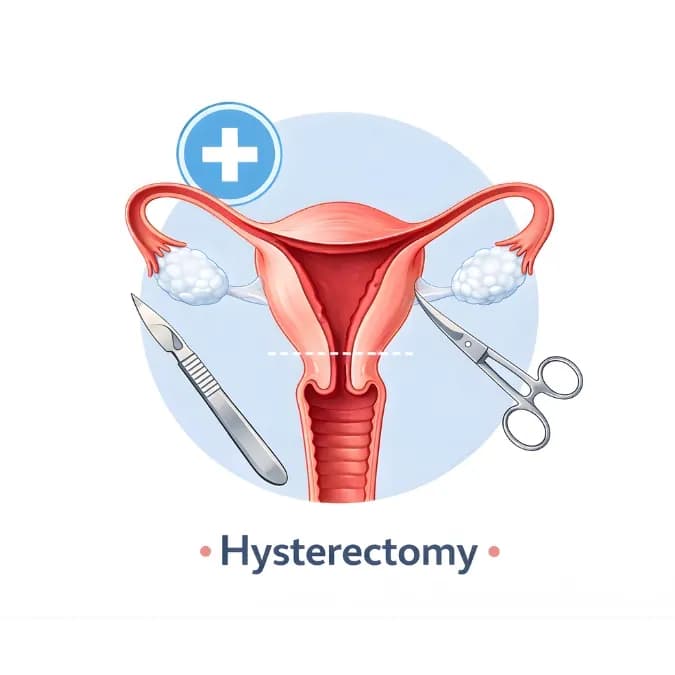
Hysterectomy Surgery in Jaipur
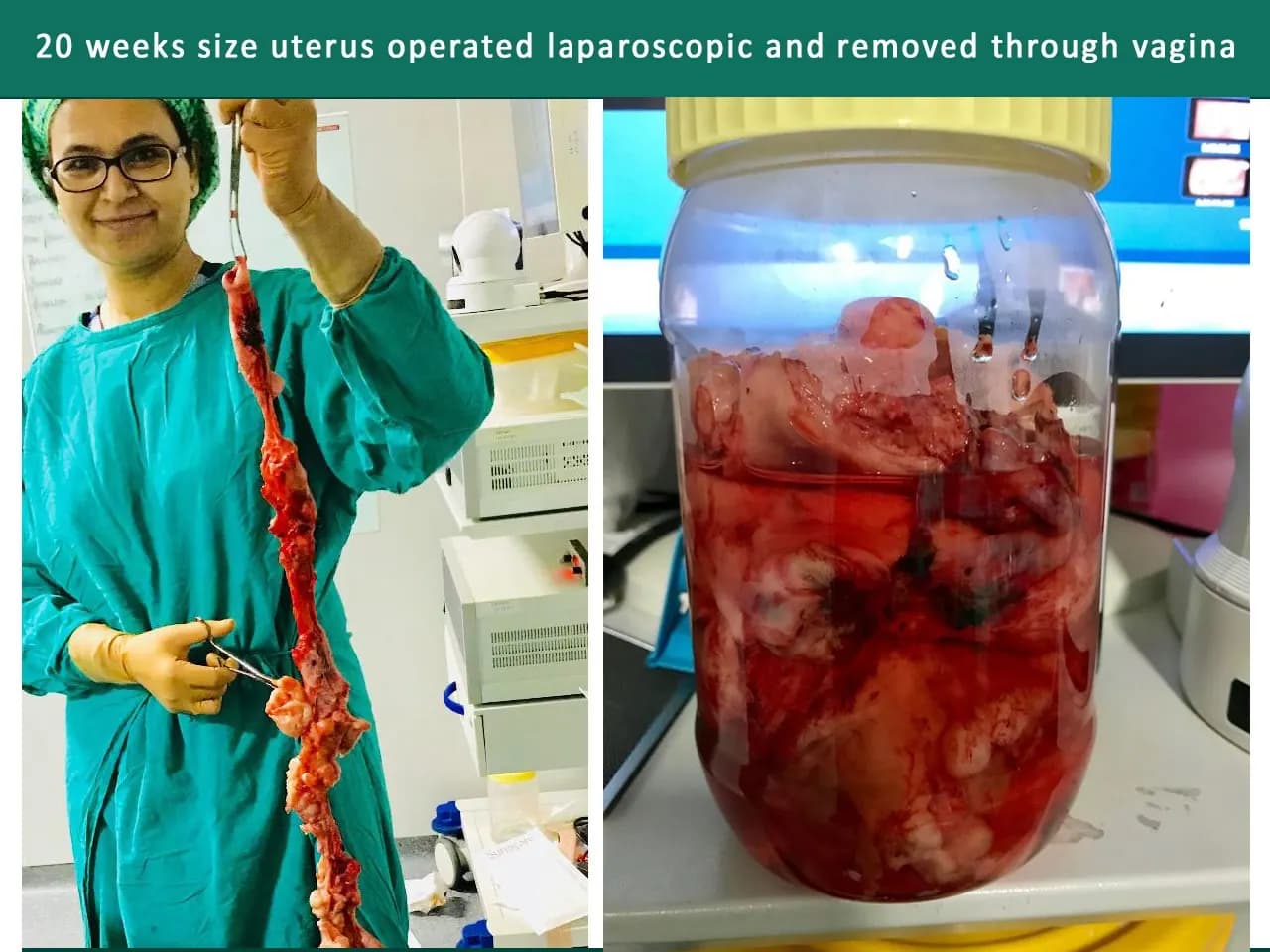
A hysterectomy is a surgical procedure used to remove the uterus (womb). It is often recommended for conditions such as uterine fibroids, abnormal bleeding, uterine prolapse or certain gynecological diseases. In some cases, the ovaries and fallopian tubes (reproductive organs) may also be removed depending on the patient’s medical condition. Modern surgical techniques allow the procedure to be performed safely with minimal discomfort and faster recovery under the guidance of an experienced gynecological surgeon in Jaipur.
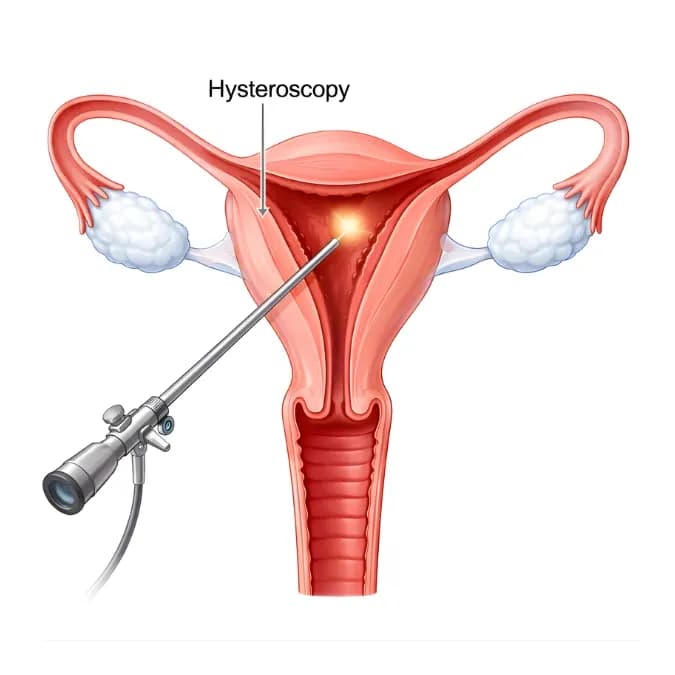
Hysteroscopy Treatment in Jaipur
Hysteroscopy is a minimally invasive procedure used to examine the inside of the uterus using a thin instrument called a hysteroscope (lighted camera device). This technique helps doctors diagnose and treat conditions such as abnormal uterine bleeding, polyps, fibroids and certain fertility-related issues. Because the procedure allows direct visualization of the uterine cavity, it provides accurate diagnosis and targeted treatment without the need for major surgery. It is commonly recommended by specialists in women’s health and gynecological care in Jaipur.
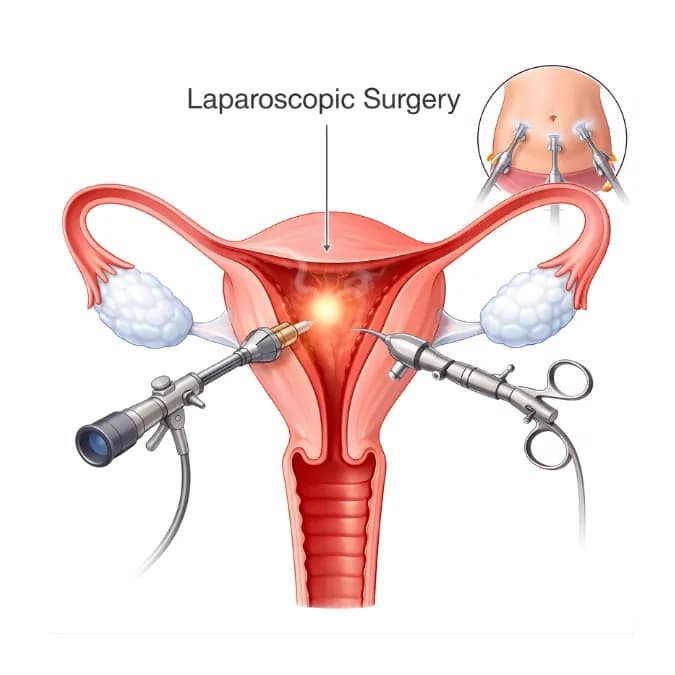
Laparoscopic Surgery in Jaipur
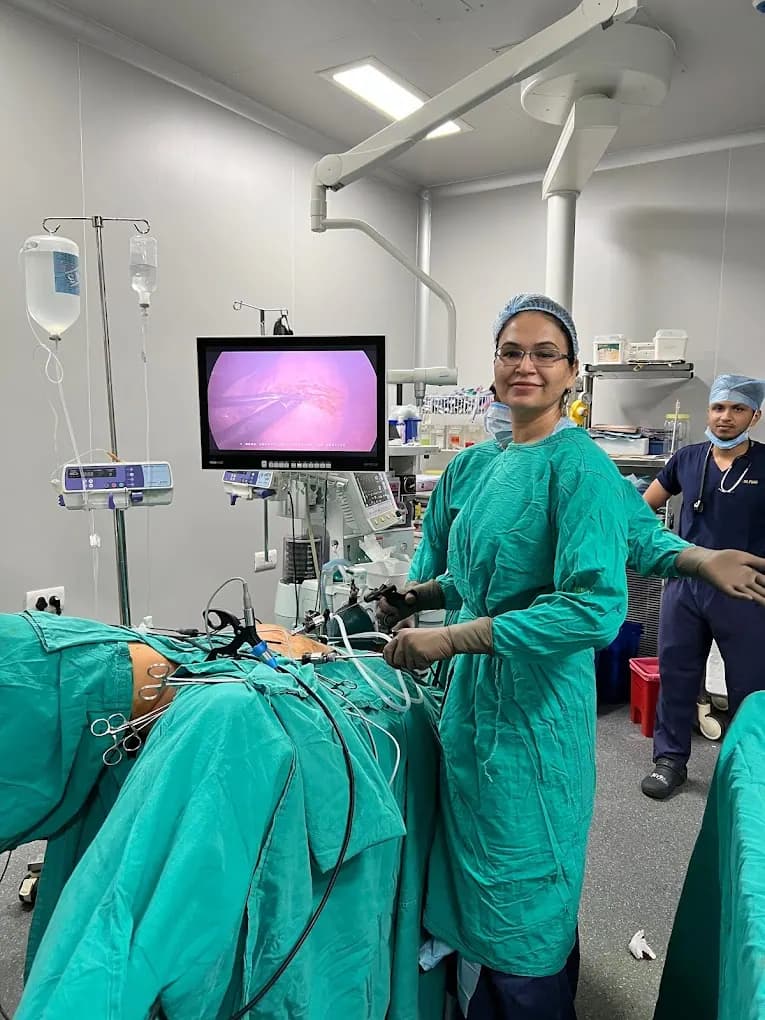
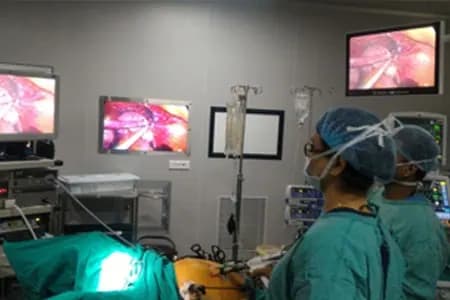
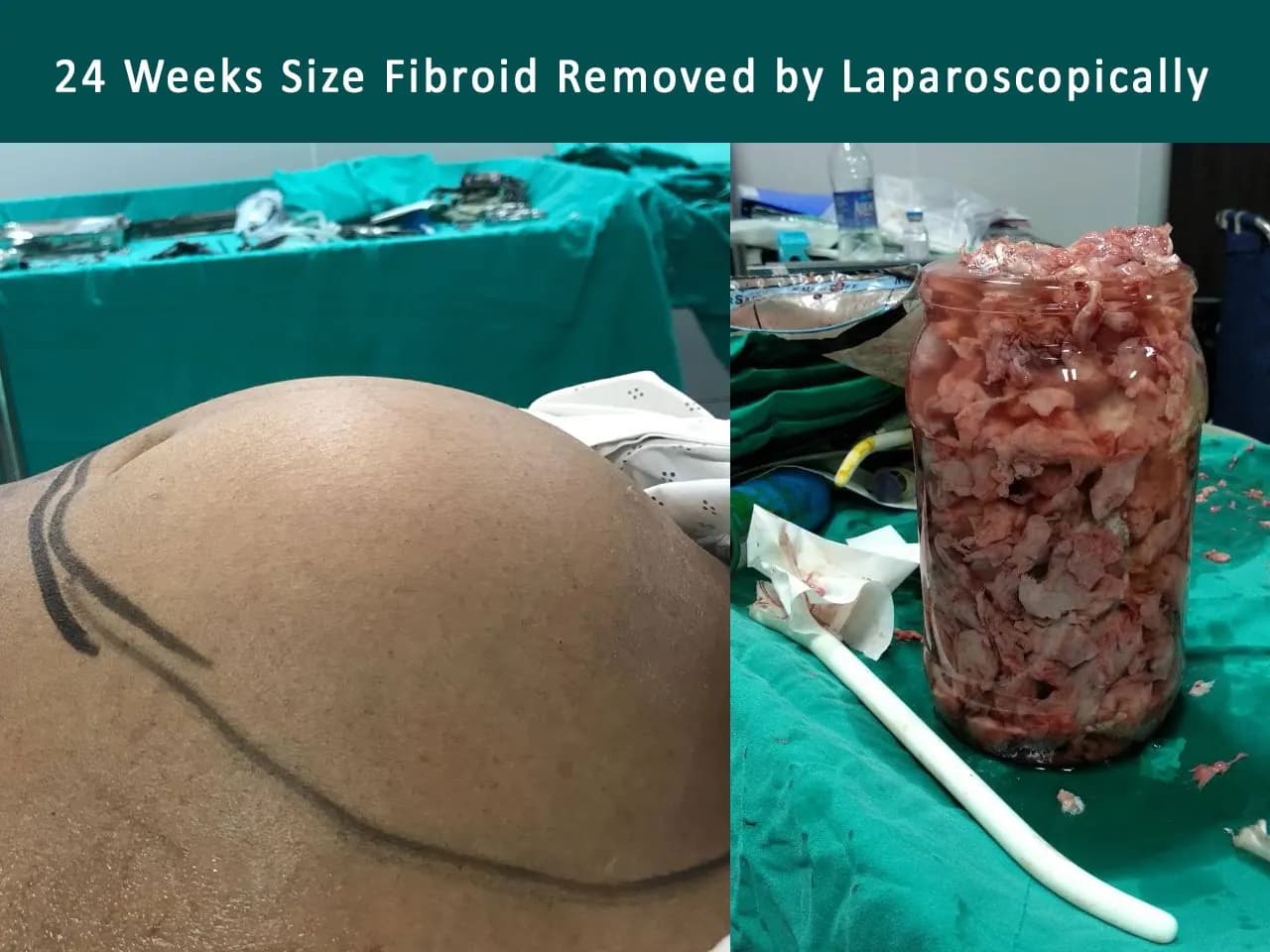
Laparoscopic surgery is a modern minimally invasive surgical technique performed using a laparoscope (a high-resolution camera instrument) inserted through small incisions in the abdomen. This approach allows doctors to diagnose and treat conditions such as ovarian cysts, fibroids, endometriosis and infertility with minimal pain, smaller scars and faster recovery. Advanced laparoscopic procedures are widely used in modern gynecologist treatment in Jaipur for safer and more precise surgical outcomes.
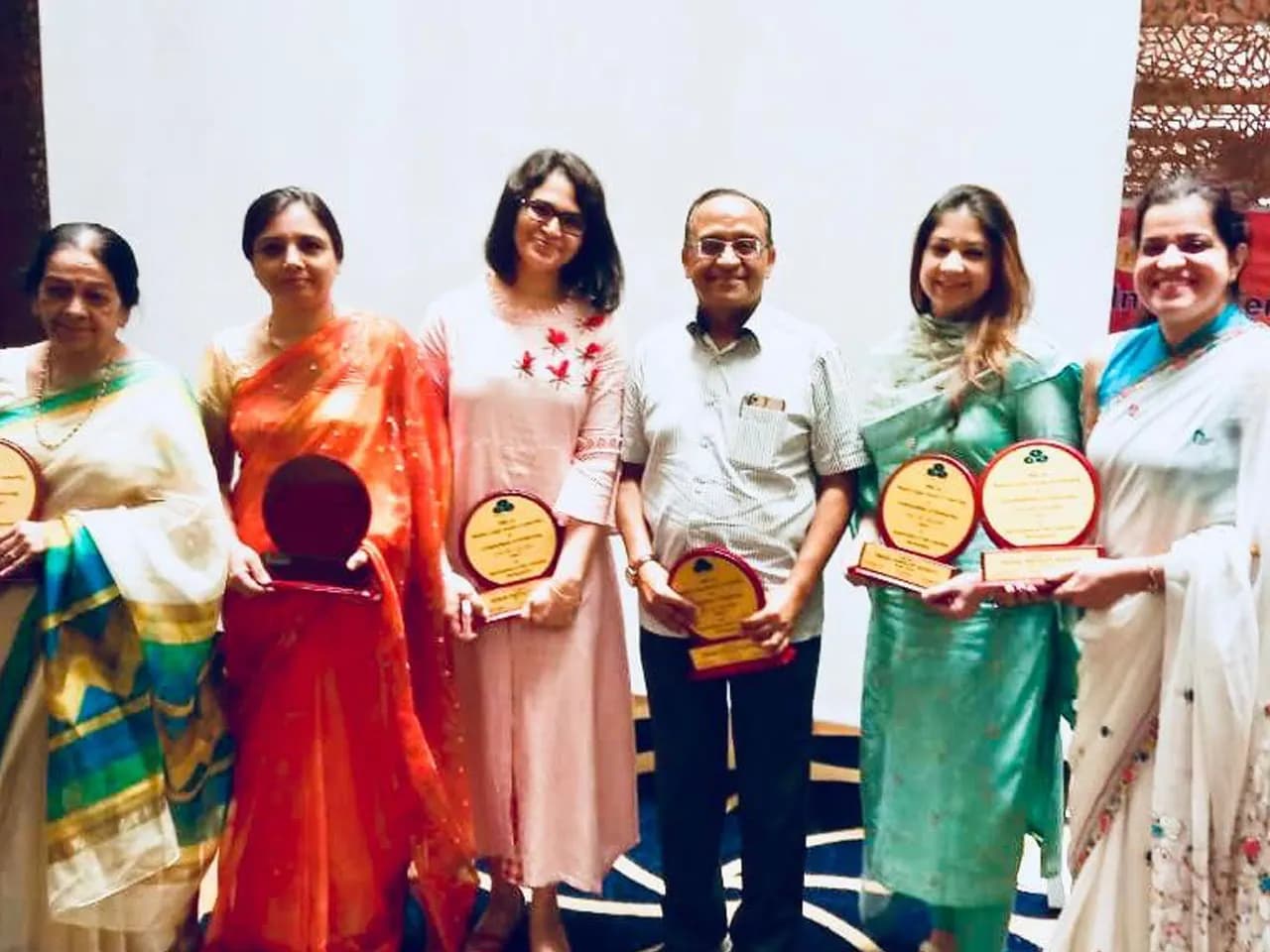
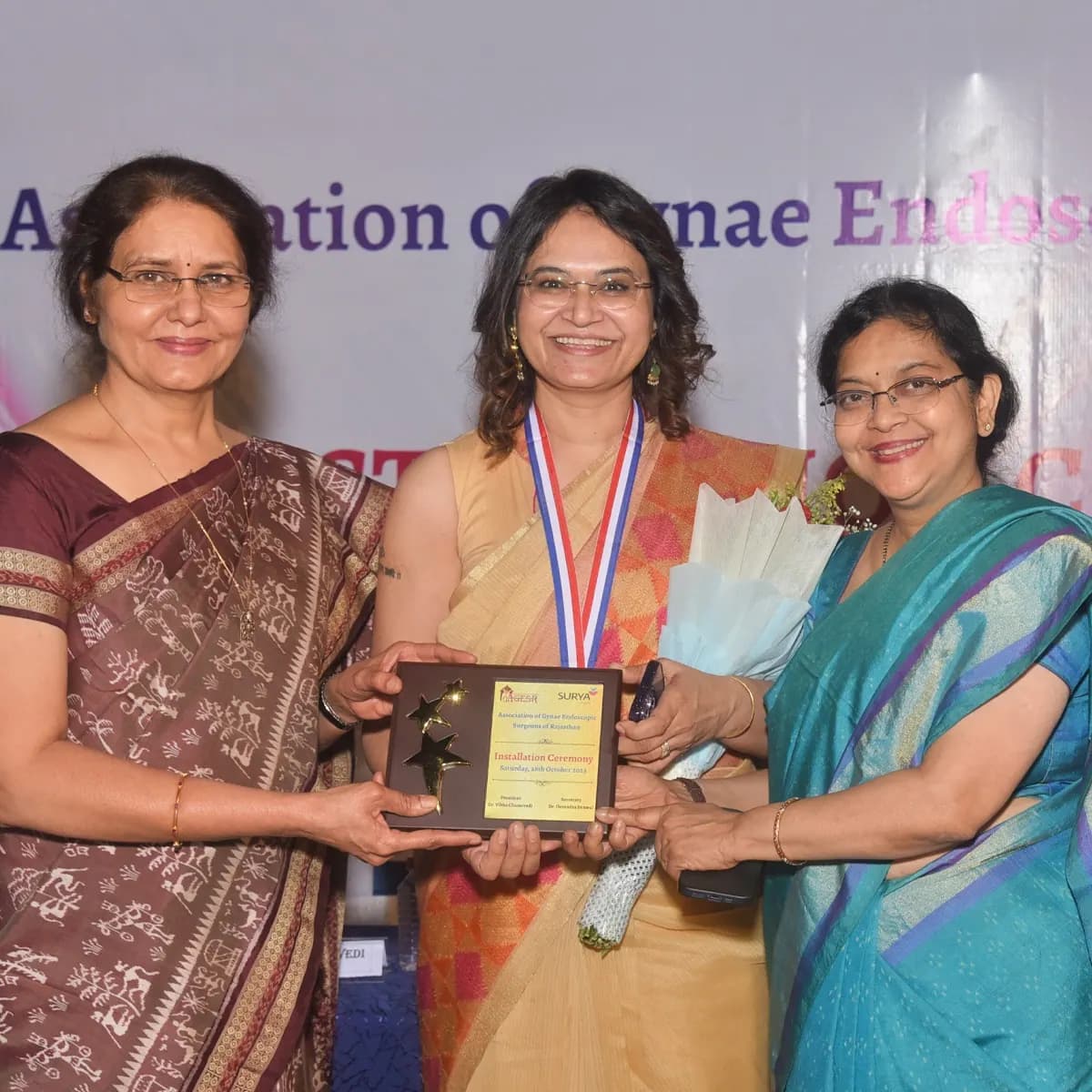
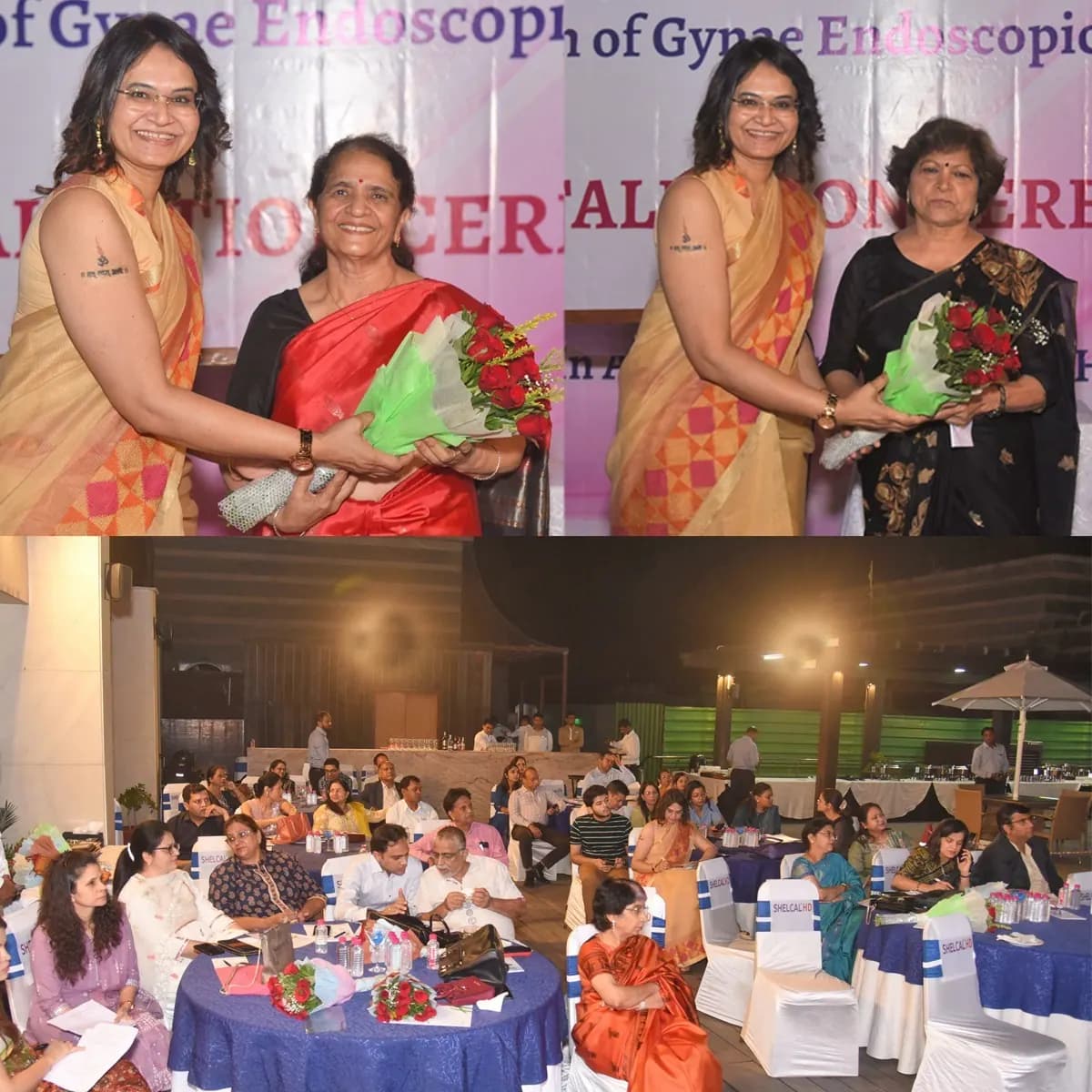
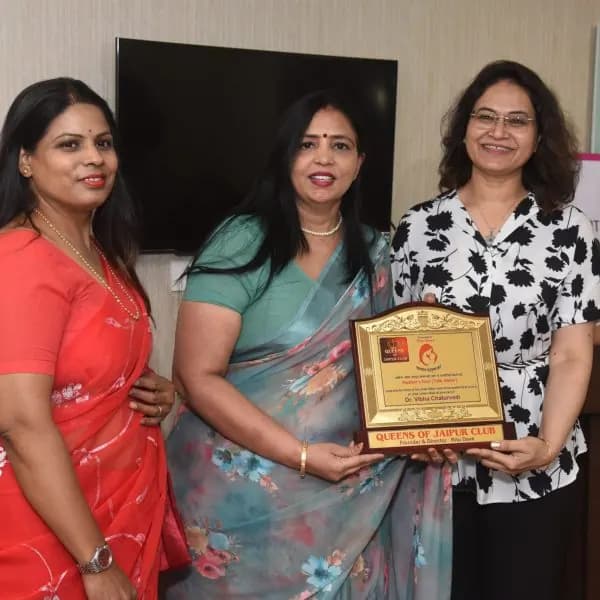
 Awards & Achievement
80+ Awards & Counting
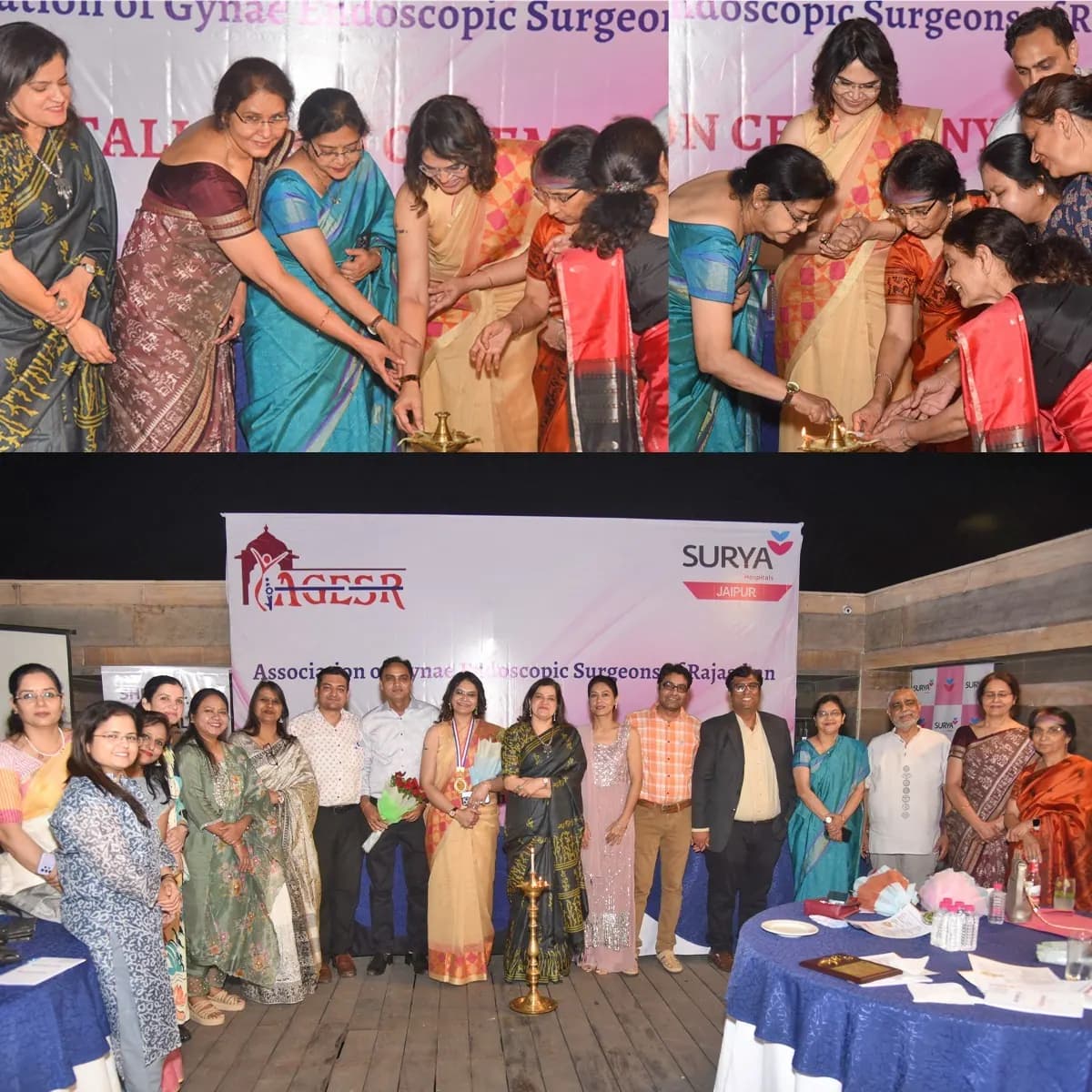
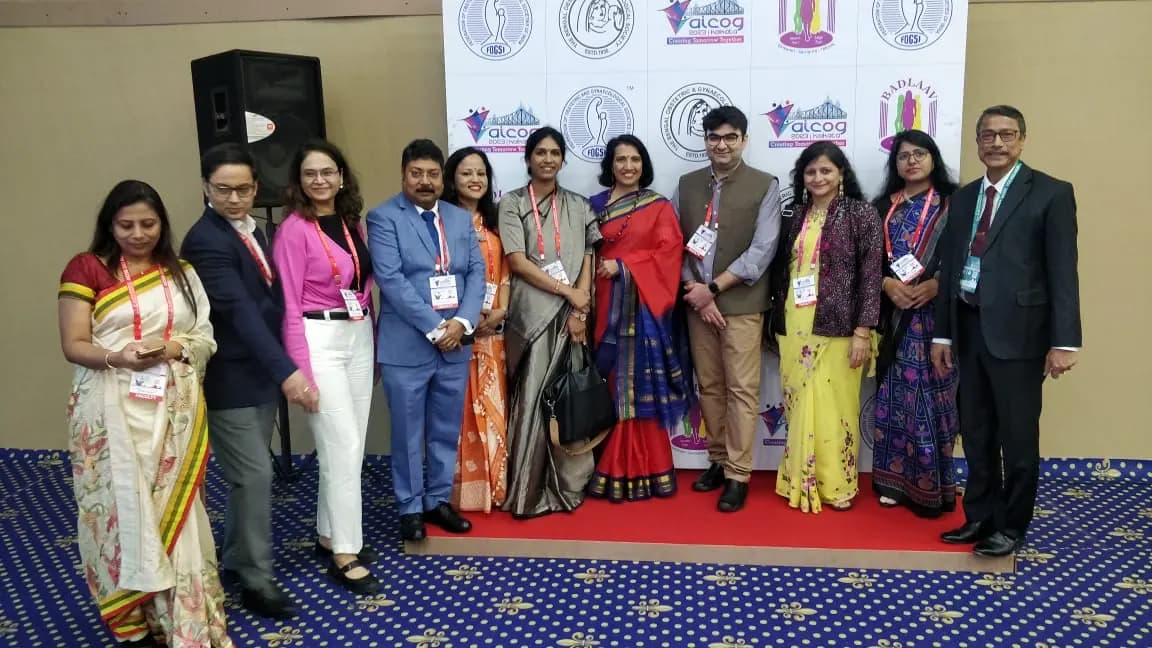
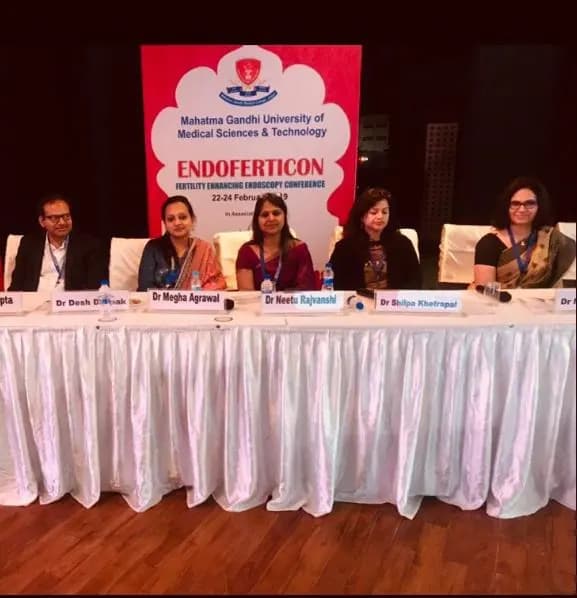
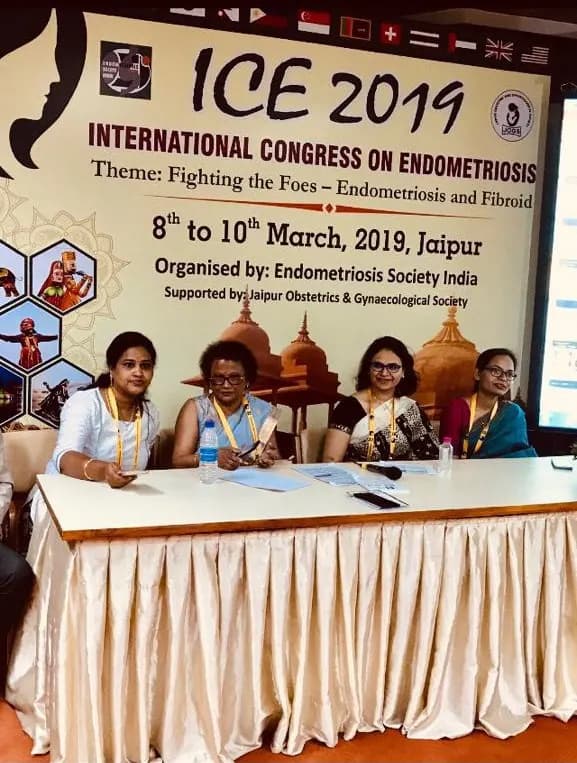
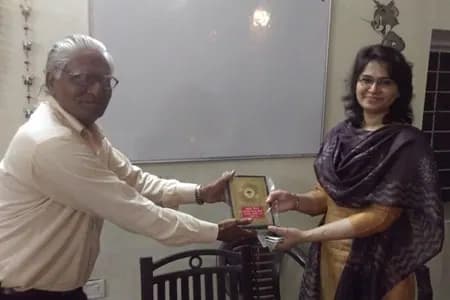
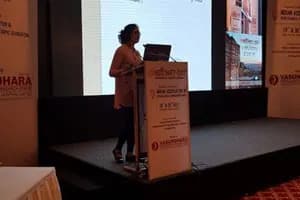
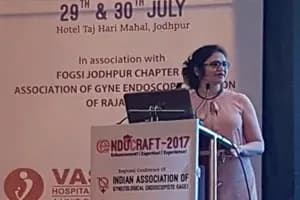
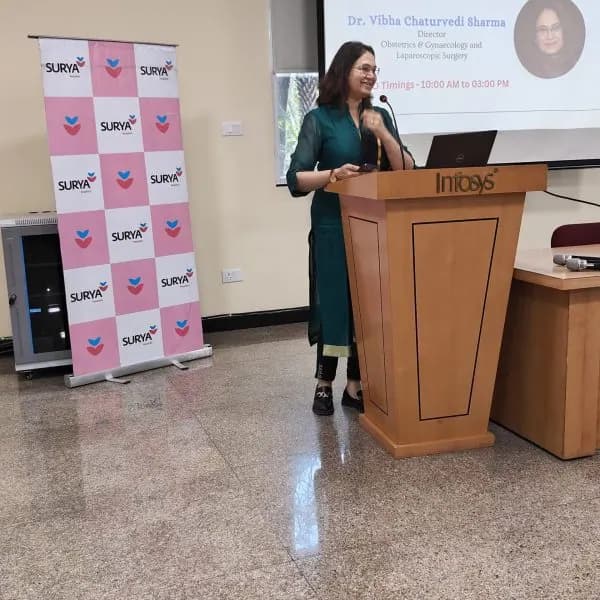
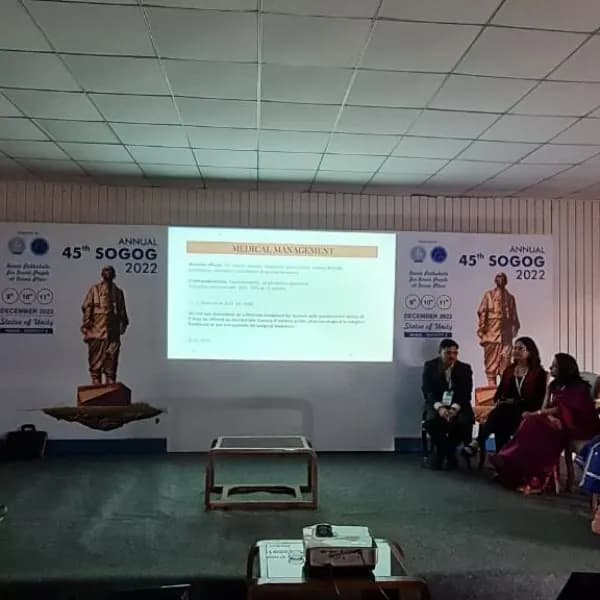
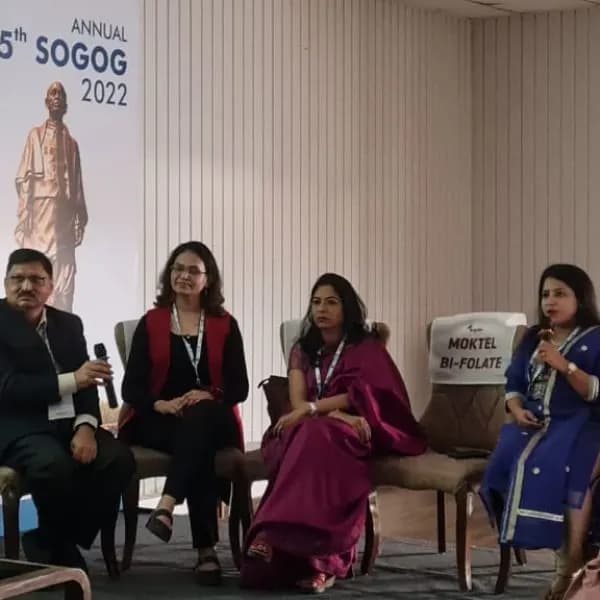
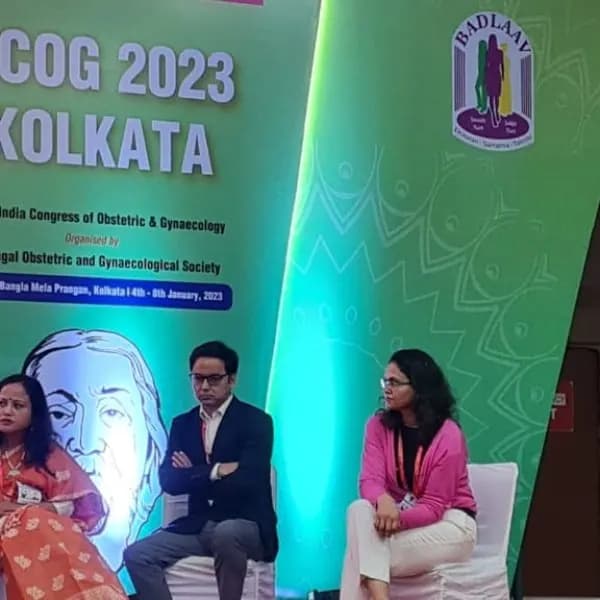
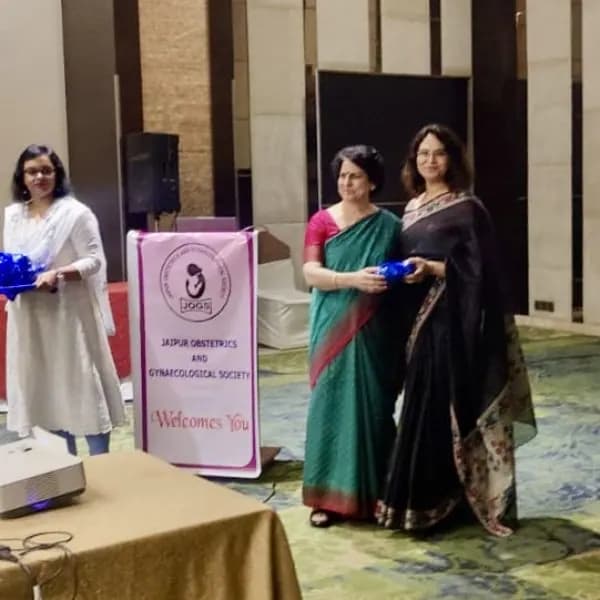
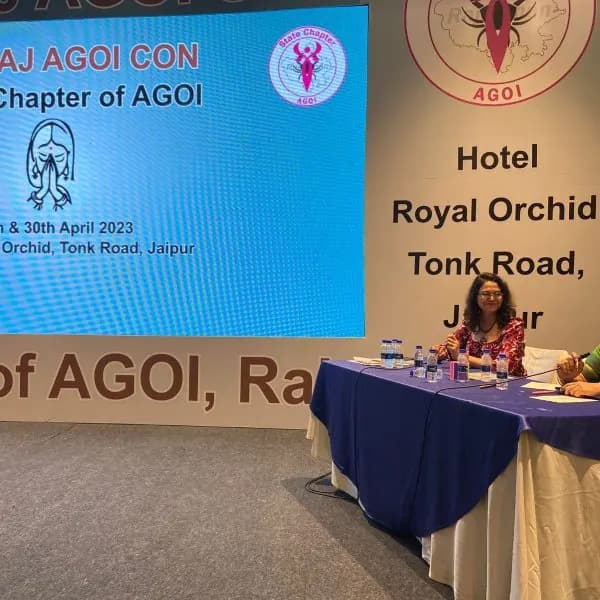
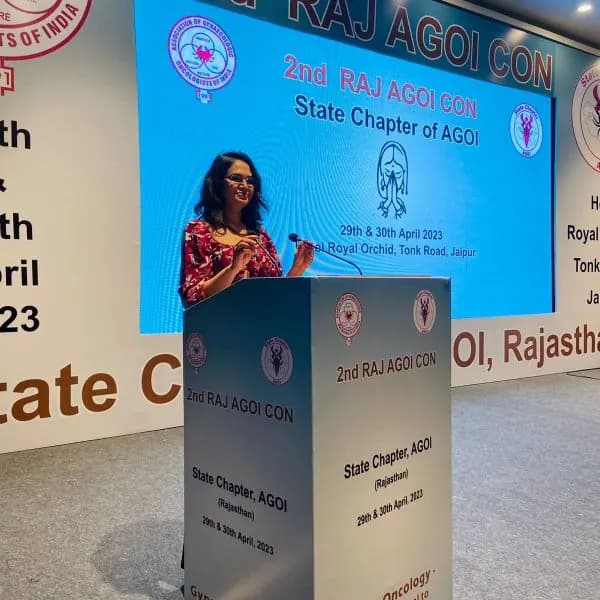
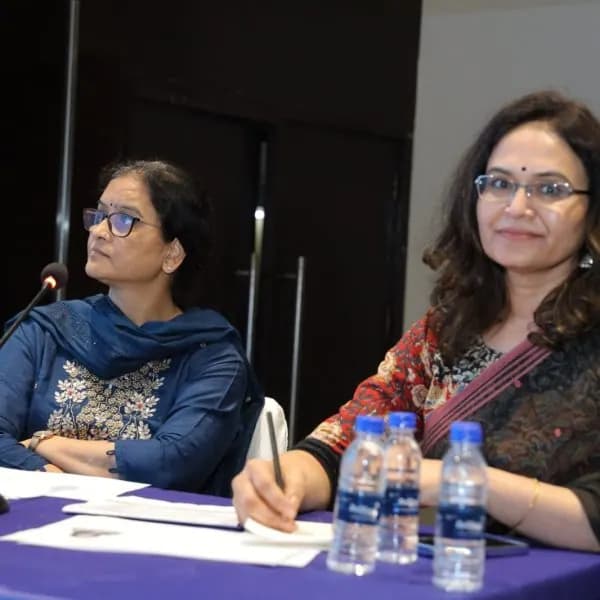
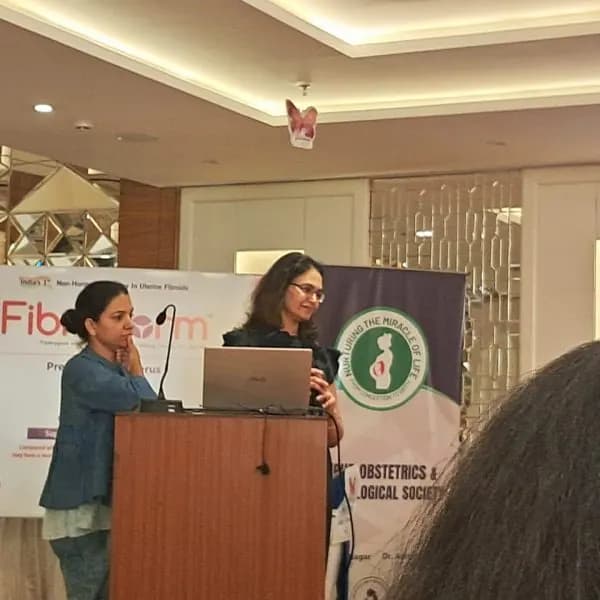
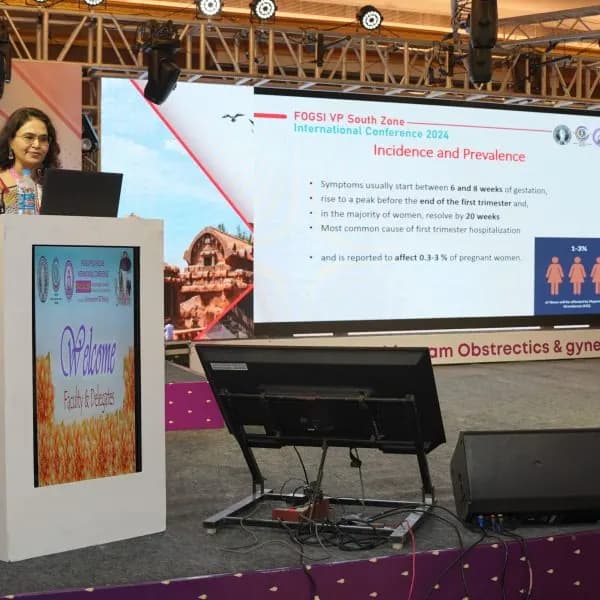
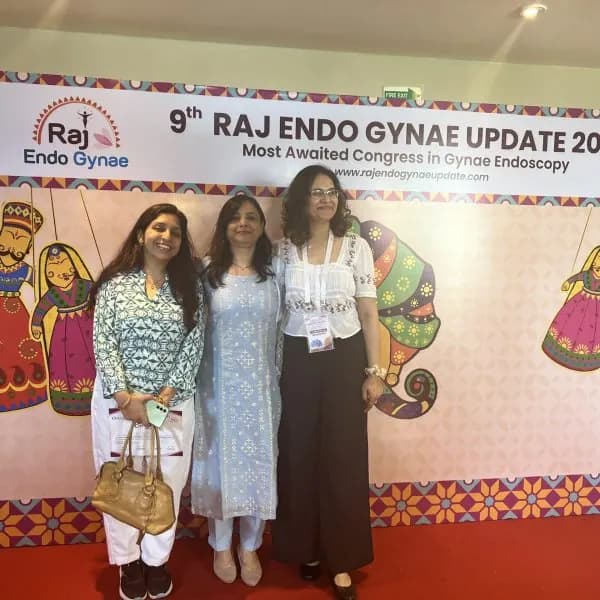
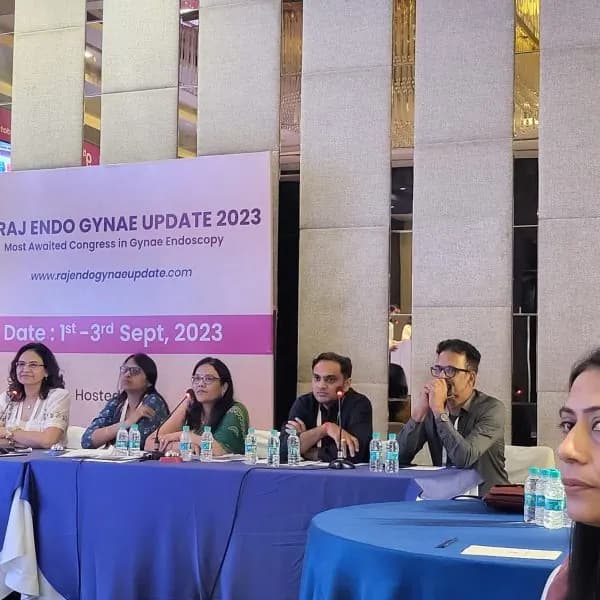
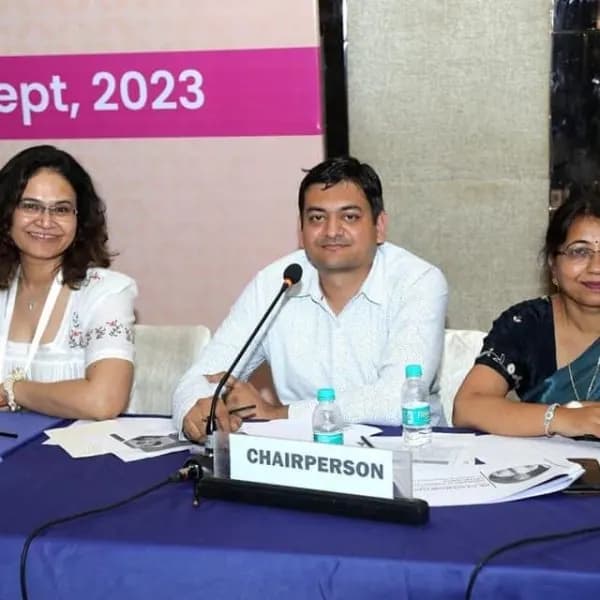
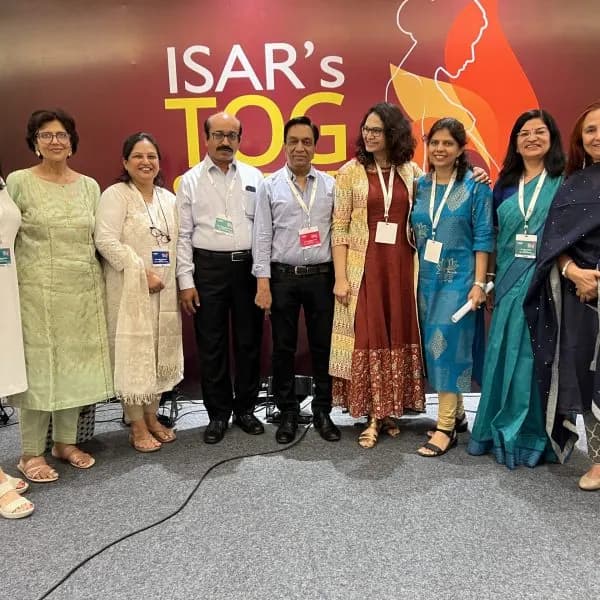
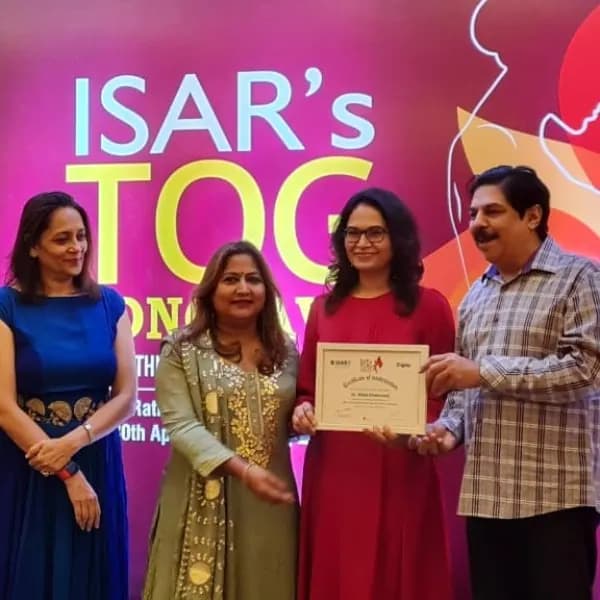
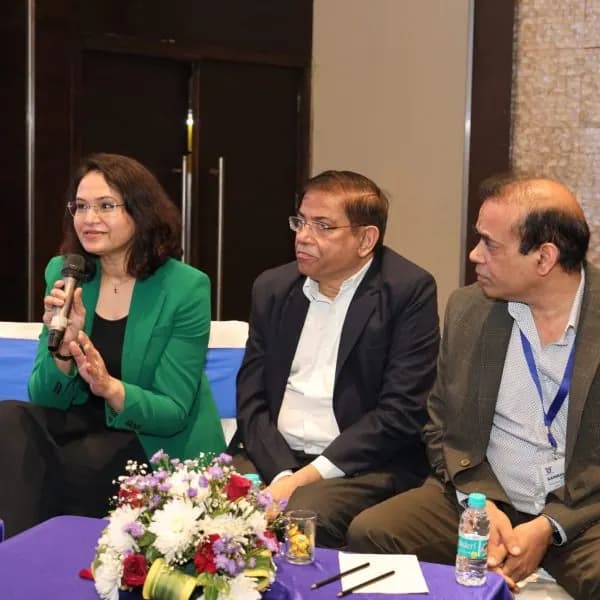
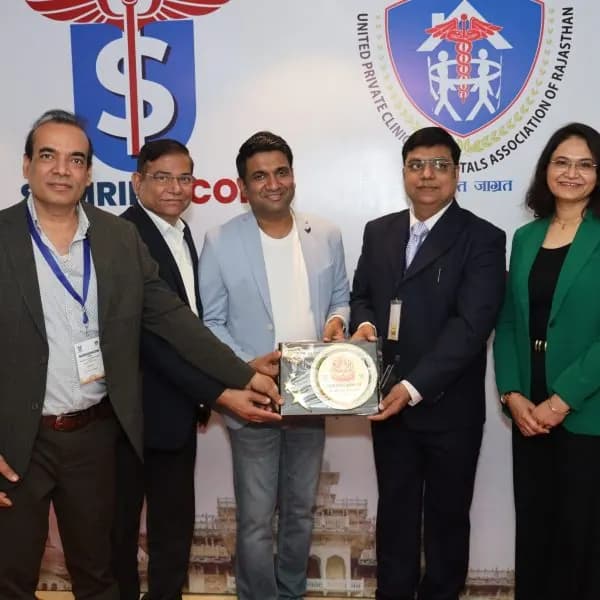
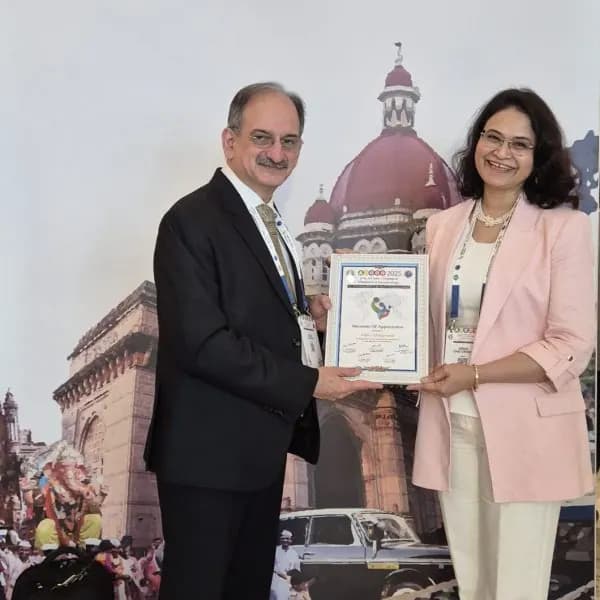
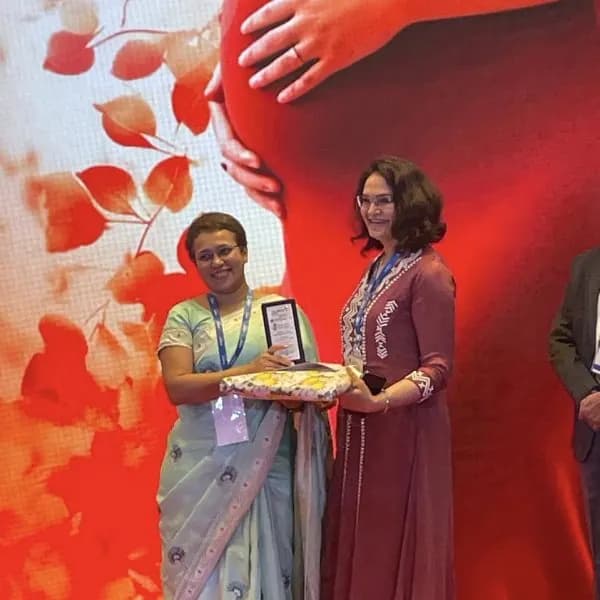
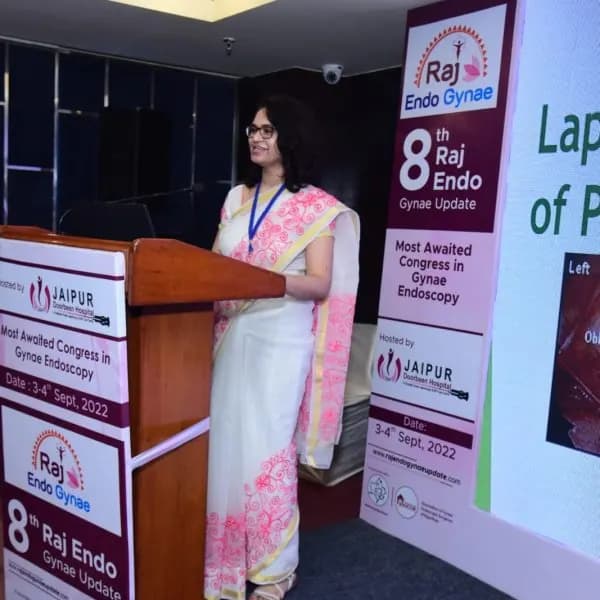
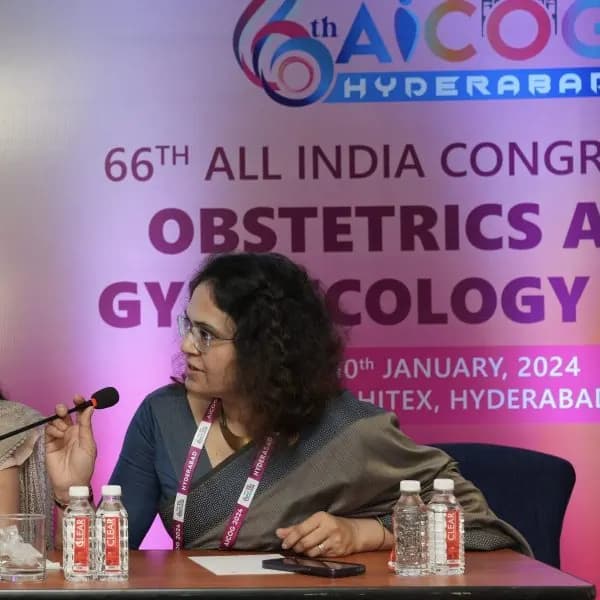
Invited speaker, panelist and chairperson at FOGSI, AICOG, ISAR, NARCHI, the Endometriosis Society of India and other national forums.

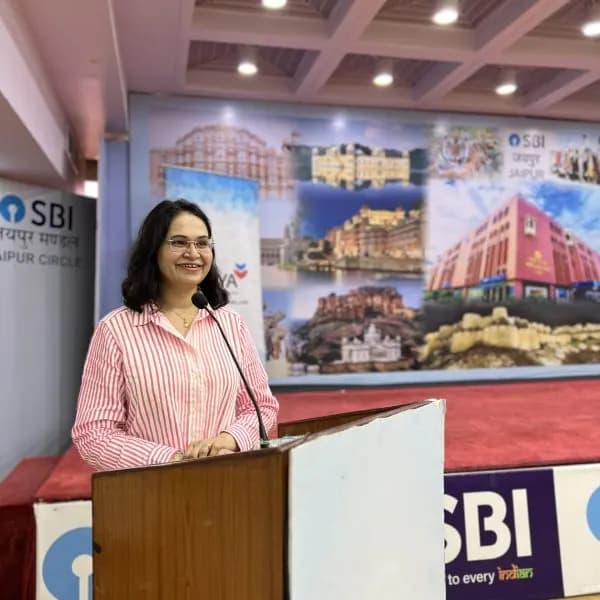
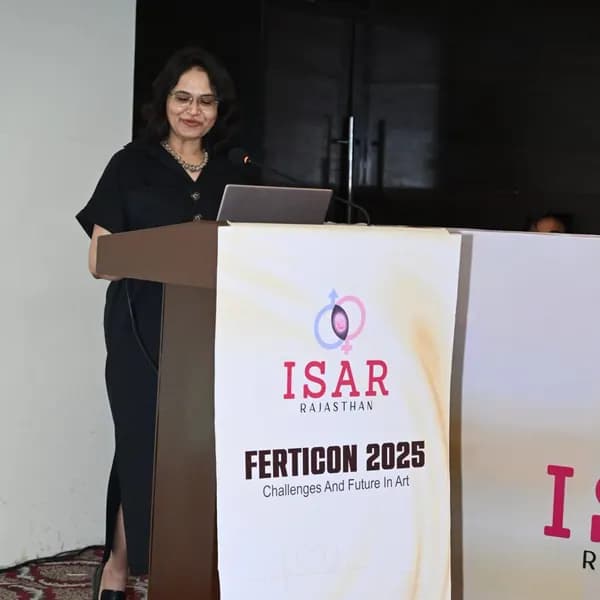
- August 21, 2026 NARCHI & JMS Together CME, invited as a Panelist for the Panel Discussion on “Management of Fibroids Peri to Post Menopause”
- August 02, 2026 Rajasthan Endo Gynae Update 2026, Invited as a Speaker on “Laparoscopic Management of Ectopic Pregnancy"
- March 31, 2026 Endometriosis Society India, Invited as a Panelist for the Discussion on "Facing the Unexpected: Complications and Management in Laparoscopic and Hysteroscopic Surgeries"
- January 30, 2026 Endometriosis Society India, invited as a Panelist on "Diagnosis Of Endometriosis"
- September 21, 2025 NARCHI Rajasthan invited, as a Panelist on "Perinatal Asphyxia: Medicolegal Aspects".
- September 20, 2025 NARCHI Rajasthan, invited as a Panelist on “Difficult Situations during Cesarean Section”.
- June 13,2025 Invited as a speaker to talk about Medical maze in pregnancy: "Hyperthyroidism"


Photo Gallery
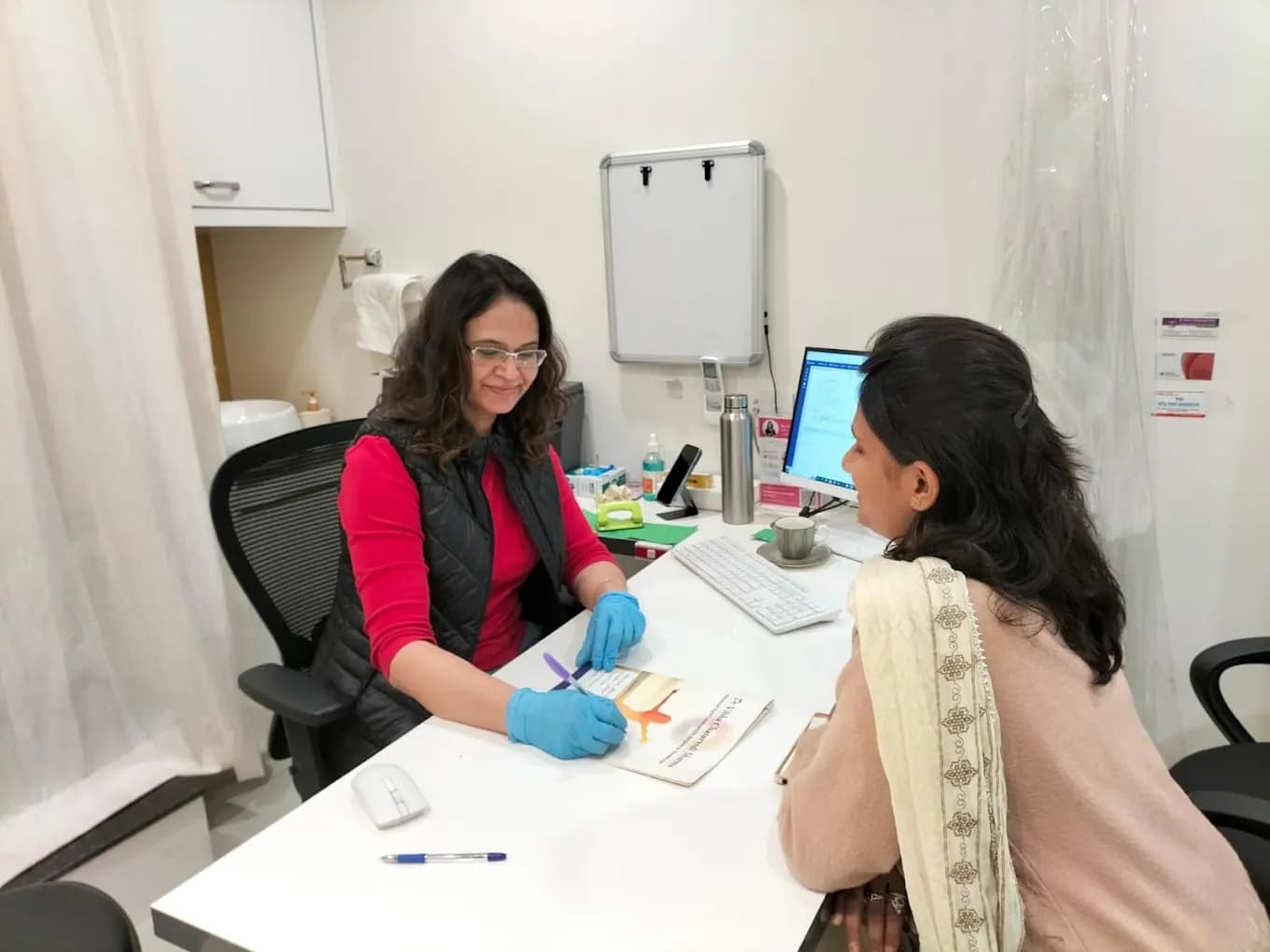
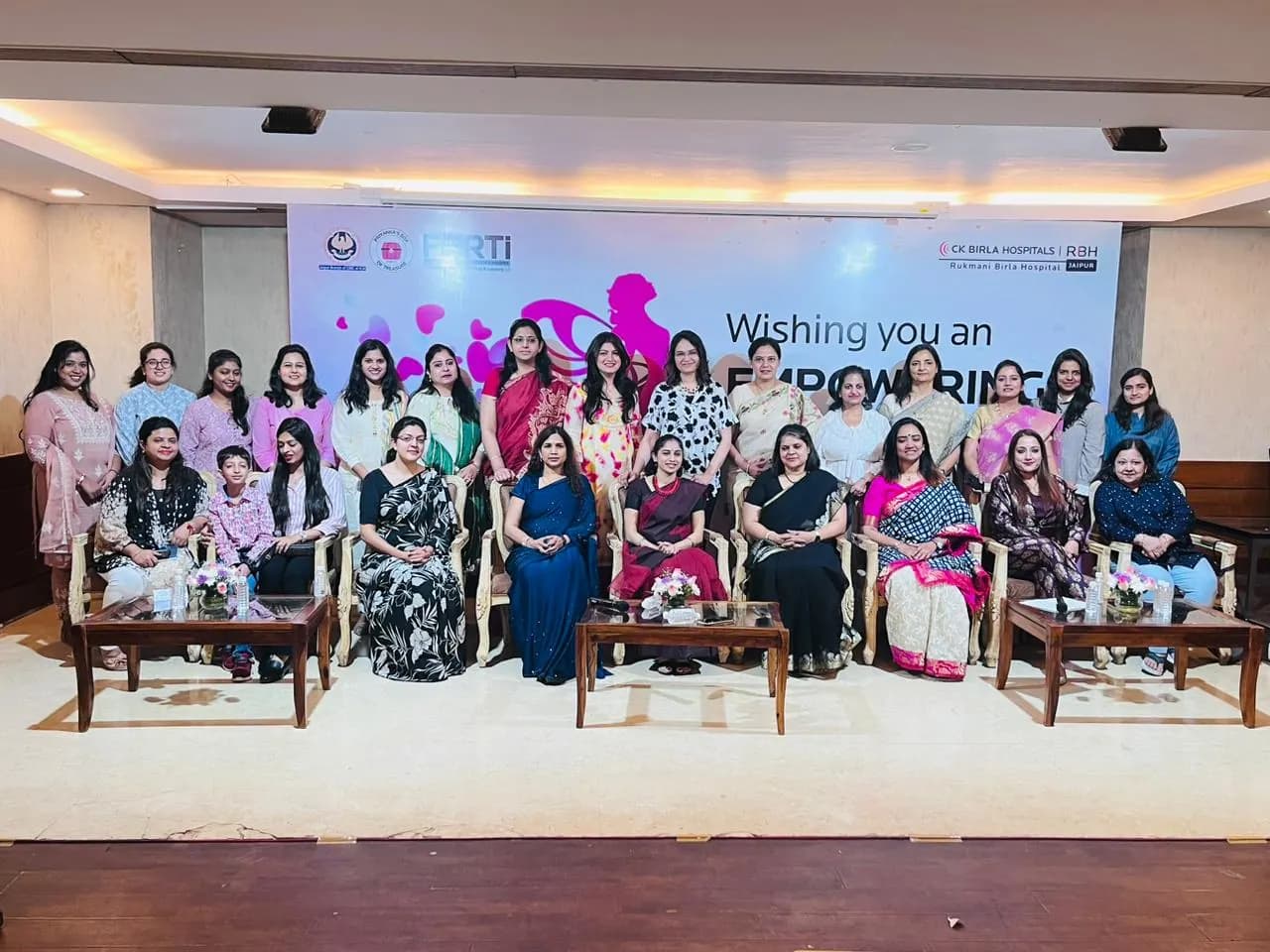
View all 29 photosShow fewer photos
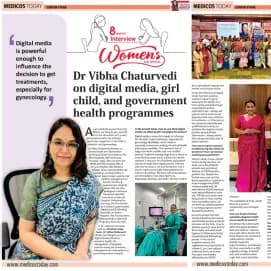
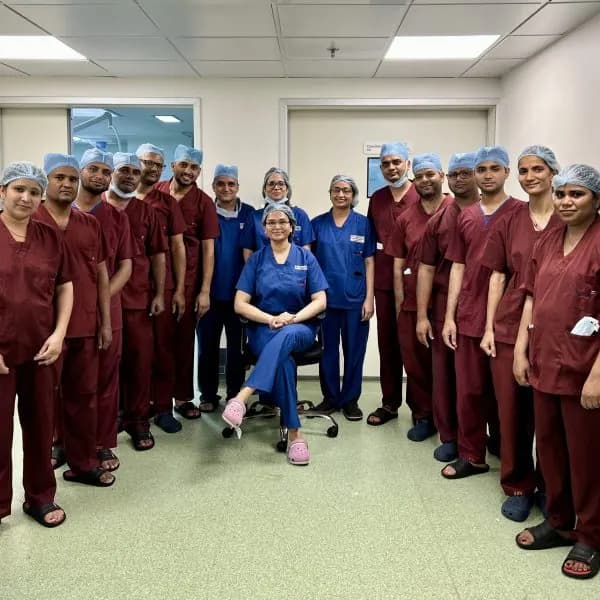
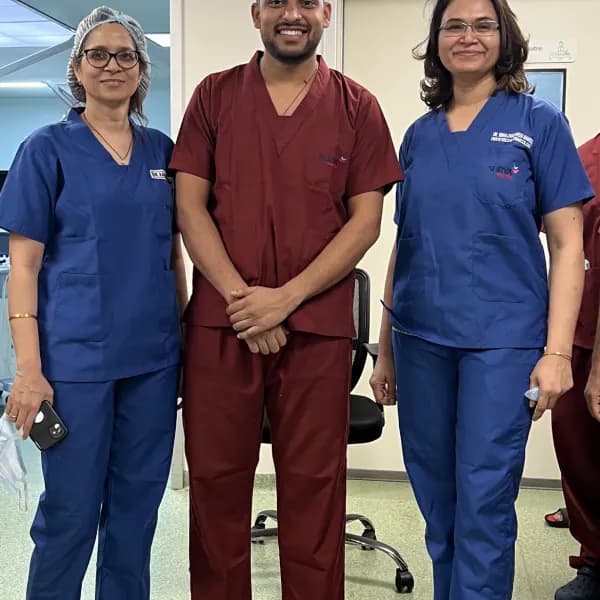
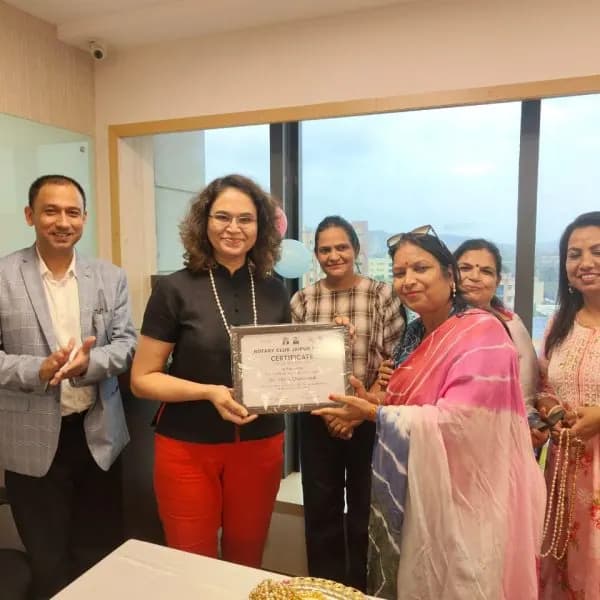
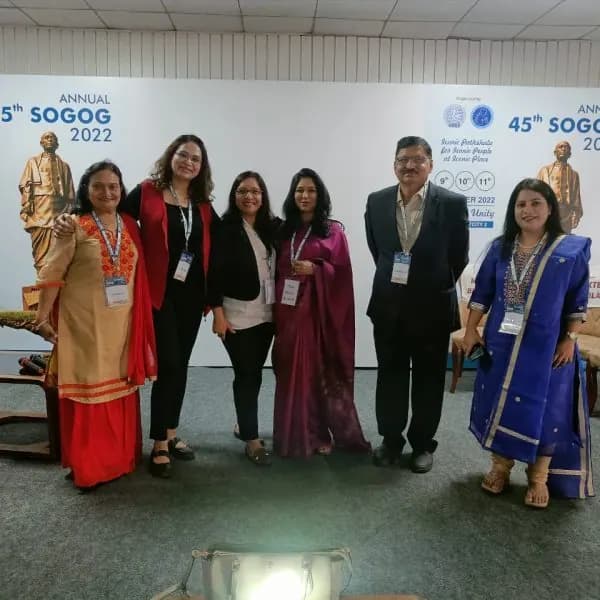
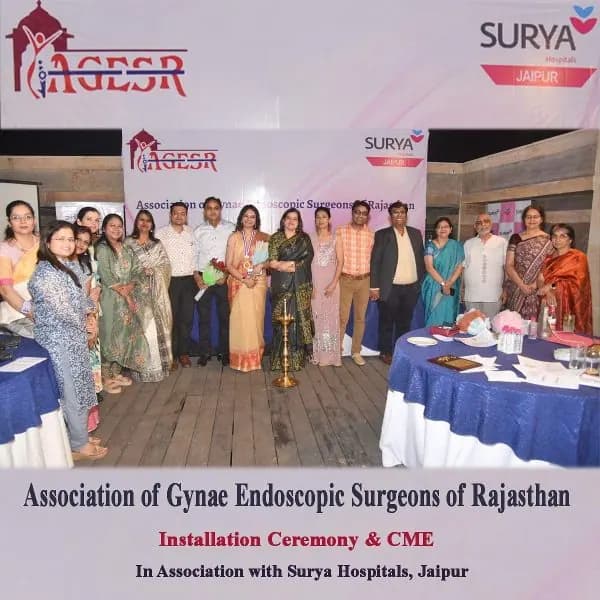
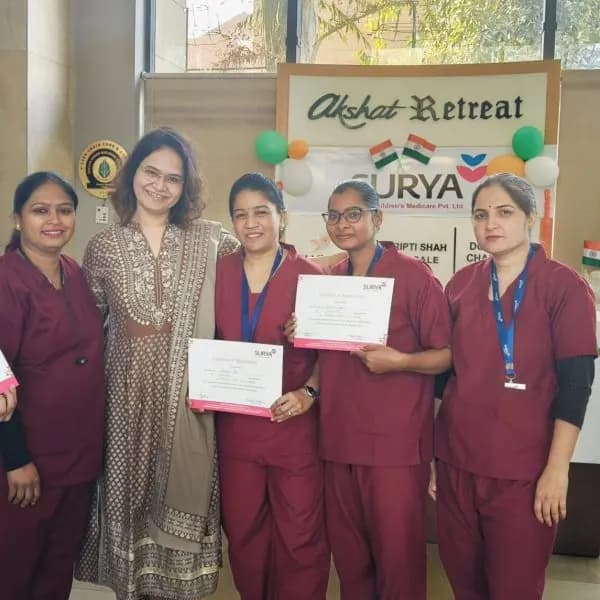
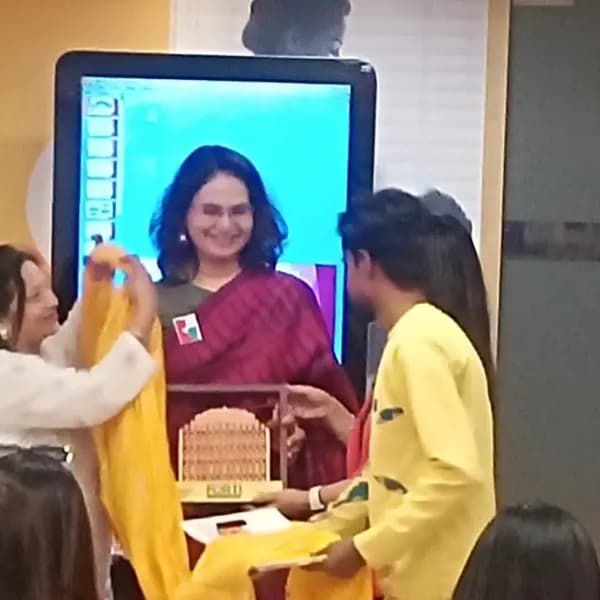
Captured Progress: A Visual Journey







Latest articles


Clinic locations in Jaipur
Surya Hospital, Jaipur
- B-7, Sawai Ram Singh Rd, Opposite SMS Hospital, Panch Batti, Ashok Nagar, Jaipur
- 11 AM to 3 PM
- Monday to Saturday
Udbhav
- A-35 Prince Road, Ajmer Road Crossing, Vidhyut Nagar, Jaipur
- 4 PM to 6 PM (by appointment)
- Monday, Tuesday, Thursday & Saturday
VS Medihub (Clinic)
- VS MEDIHUB 1st floor, 28 Shiv Shakti Nagar, Nirman Nagar, Jaipur
- 4 PM to 6 PM (by appointment)
- Wednesday & Friday
Caring for women at every stage of life
From the first period to pregnancy, motherhood and menopause — book a consultation with Dr. Vibha.