Normal delivery after C-section is often called VBAC, and many women want to know if it’s right for them. In this guide, Normal Delivery After C-Section: Safe VBAC Candidacy, you’ll learn when it may be possible, who tends to qualify, and how a gynecologist plans a safe birth.
What VBAC Means and How It Works
VBAC stands for “vaginal birth after cesarean.” The goal is a normal labor and birth after a previous surgical delivery. According to the American College of Obstetricians and Gynecologists (ACOG), about 60–80% of well-selected patients achieve a successful VBAC. You can review their guidance for context in the ACOG VBAC FAQ.
An important detail is the type of uterine scar. Most prior operations use a “low transverse” incision on the uterus. This scar stretches well in labor and carries a low rupture risk. A “classical” vertical incision is different and usually rules out VBAC because the rupture risk increases.
In our Jaipur practice, we always start with records. We check the previous operation note, review ultrasound findings, and talk through the reason for the earlier cesarean. Then, we build a plan that fits the mother’s values and the safety requirements of the hospital.
Normal delivery after C-section: Are You a Candidate?
Your obstetrician decides candidacy after a detailed review. The decision balances benefits, risks, and your preferences. The following points usually support a trial of labor after cesarean.
- One prior low-transverse uterine scar, confirmed from documents when possible.
- The earlier cesarean was for a reason that may not repeat, such as breech position.
- Singleton pregnancy with the baby’s head down at term.
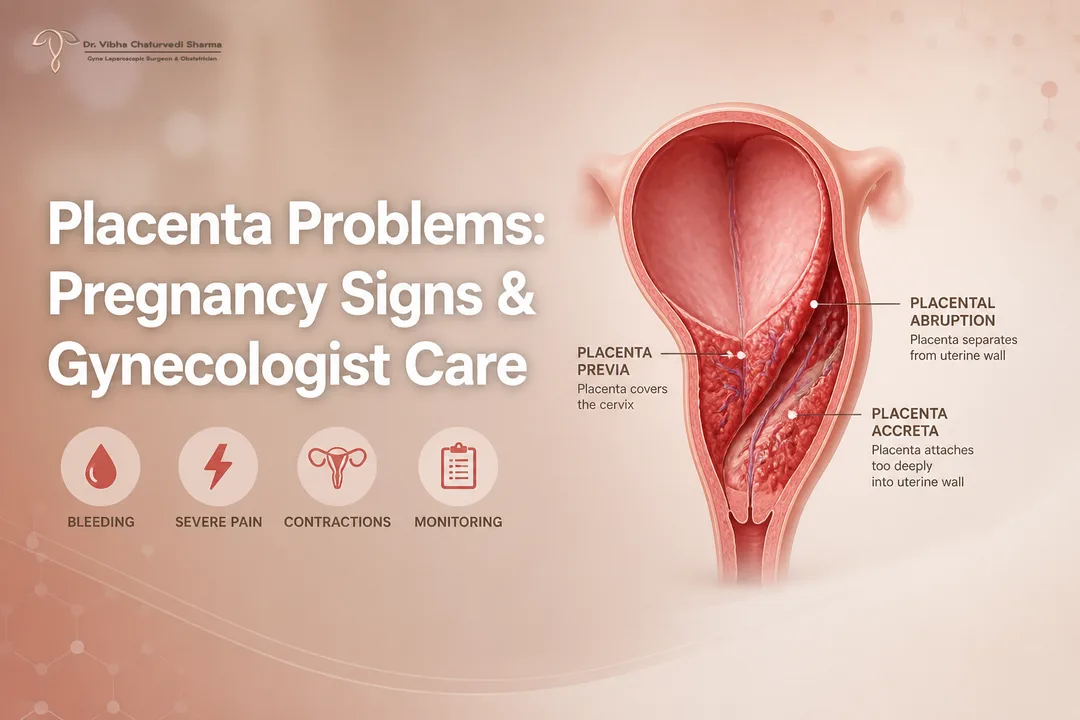
- No placenta previa, accreta spectrum, or major bleeding concerns.
- At least 18 months between deliveries is often preferred for healing.
- No prior uterine ruptures or extensive fibroid surgery.
- Facilities and team available for urgent cesarean if needed.
Some factors lower the chance of success or may advise against a trial of labor. These include a classical or T-shaped uterine scar, three or more prior cesareans, or conditions like uncontrolled high blood pressure. The NHS also lists these considerations in its clear overview of vaginal birth after previous caesarean. Ultimately, your individual health profile guides the plan.
Medical history factors your obstetrician reviews
First, we look at any previous vaginal births. A past normal delivery often predicts higher VBAC success. Next, we consider estimated fetal weight and maternal body mass index. Finally, we discuss induction methods because some options affect scar stress more than others.
VBAC after cesarean: Benefits, Risks, and Success Factors
VBAC can help you recover faster, reduce surgical pain, and shorten hospital stay. It also lowers the chance of complications linked to repeat cesareans across future pregnancies. The World Health Organization notes that rising cesarean rates add long-term risks, including placenta previa and accreta in later pregnancies. You can read more in the WHO fact sheet on caesarean section.
However, VBAC is not risk free. Uterine scar rupture is the most serious concern. ACOG estimates the risk for a low-transverse scar at roughly 0.5–0.9% during a trial of labor. Because of this, hospitals plan carefully and monitor mother and baby throughout labor.
Several factors influence success. Spontaneous labor often performs better than a hard induction. A prior vaginal birth is a good sign. Adequate time since the last birth helps healing. Good blood sugar control and healthy weight support a smoother labor too.
How hospitals plan for emergency scenarios
Safety depends on preparation. Therefore, your team keeps an operating theater on standby and ensures blood products are available. Continuous fetal heart monitoring helps us spot early distress. If concerning signs appear, we move quickly to a cesarean to protect mother and baby.
Preparing for a Safe VBAC in Jaipur
Preparation starts well before labor. Bring your previous operative notes to the first visit. Then, schedule a detailed counseling session with your gynecologist. Together, you will map your preferences and define the red lines for intervention.
Antenatal care matters. Eat balanced meals rich in iron, protein, and fiber. Gentle exercise, if approved, improves stamina for labor. Importantly, attend childbirth classes that cover breathing, positions, and pain relief options. Many women feel more confident when they practice coping skills early.
Choose a hospital that can support VBAC safely. You need round-the-clock obstetric, anesthesia, and neonatal teams. You also need quick access to an operating room. At our Jaipur centers, we conduct a “VBAC drill” so the team moves in a coordinated way if circumstances change.
Planning normal delivery after C-section: Safety checks
We use a checklist to keep mothers informed and safe. First, we confirm the scar type and review ultrasound reports. Next, we agree on induction methods if labor does not start by your due date. Finally, we outline how to respond to warning signs so everyone stays calm.
Signs to stop labour and consider a cesarean
These signs include severe scar tenderness, sudden pain that does not settle, abnormal fetal heart rate, heavy bleeding, or stalled labor with no progress. If any appear, the team explains the findings and recommends the next best step. This approach keeps risks low while respecting your birth plan.
Pain management should fit your goals. Epidural analgesia remains an option for many patients. It does not automatically prevent a VBAC. In fact, good pain control can conserve energy for active pushing. Discuss timing and doses with your anesthetist in advance.
Positioning helps labor progress. Try upright and side-lying positions to open the pelvis. Use a birthing ball for comfort if your provider approves. Small changes in posture often relieve back pressure and improve descent.
Induction and augmentation deserve a careful conversation. Some medications create stronger contractions that may stress the uterine scar. Therefore, we individualize doses and avoid certain agents when safer alternatives exist. Mechanical methods, such as a Foley balloon, may be preferred in selected cases.
Support also matters. A calm birth partner can reduce anxiety and improve coping. Breathing with you during surges is simple yet powerful. Furthermore, regular sips of water and light snacks, if allowed, maintain energy.
Because every labor is unique, results vary. Some mothers labor smoothly and deliver vaginally. Others need a repeat cesarean for safety. What counts is an informed plan and a respectful team that acts early when risks rise.
For trusted care in Rajasthan, you can learn more about our philosophy at Dr. Vibha Chaturvedi Sharma. We combine evidence-based obstetrics with compassionate support from early pregnancy to postnatal care.
Frequently asked questions we address in clinic
Can I attempt VBAC if I had two cesareans? Sometimes, but only with careful review and hospital readiness. Because rupture risk may rise, we discuss the trade-offs in depth before deciding. Evidence and your own values guide the final choice.
Will induction end my chances? Not always. In some cases, milder methods work well. We review options and tailor a plan that keeps you and your baby safe.
Does VBAC affect breastfeeding? Early skin-to-skin and rooming-in help, regardless of delivery mode. With a smooth recovery, many mothers feel ready to nurse sooner after a vaginal birth.
How soon should I come to the hospital? If your waters break, contractions are regular, or you notice reduced fetal movements, come in without delay. Otherwise, follow your personalized plan. Usually, we ask you to present earlier than a first-time mother because we want to monitor the scar during active labor.
What about future pregnancies? Each successful VBAC may lower the number of surgeries you face in your lifetime. That can reduce risks like placenta accreta in future births. Still, we reassess every pregnancy from scratch.
Our first-hand approach to counseling and care
In our daily work with families across Jaipur, we see a clear pattern. Confidence grows when mothers understand the “why” behind each decision. Therefore, we explain benefits and limits in plain language. We also write down your plan so the whole team stays aligned.
During prenatal visits, we measure blood pressure, screen for gestational diabetes, and track growth. If concerns appear, we adjust the plan instead of pushing on. This flexible style respects safety while keeping your goals in view.
We also coordinate with anesthesia and neonatology before your due date. As a result, you meet the people who will support you in labour. Familiar faces reduce stress on the day you need to focus most.
If you want a second opinion, you are welcome to book a counseling slot at our Jaipur gynecology clinic. Use the contact options on our homepage to schedule your visit. We are happy to review your reports and outline practical next steps.
Balanced takeaway and next steps
VBAC gives many mothers a real chance at a normal birth after a surgical delivery. Yet, it remains a medical decision that depends on records, monitoring, and hospital resources. A transparent discussion with a skilled obstetrician makes the path clearer and safer.
If you hope for normal delivery after C-section, start with a detailed, evidence-based consultation. Bring your notes, share your concerns, and ask questions until you feel informed. When the plan fits your health and your values, birth becomes a collaborative experience rather than a gamble.
Contact & Appointments
📞 Phone: 78499 09109
📍 SURYA HOSPITALS
C-8, B-7, Sawai Ram Singh Road,
Opposite SMS Hospital, Jaipur
📍 UDBHAV
A-35, Prince Road, Ajmer Road,
Vidhyut Nagar, Jaipur, Rajasthan – 302019
Book your consultation today for expert laparoscopic treatment and comprehensive women’s healthcare.